
How Cold Indoor Temperatures Impact Health
As I write this, here’s the forecast.
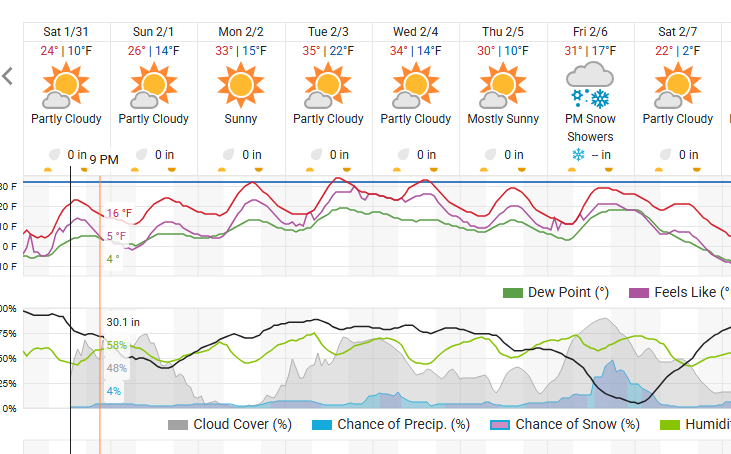
Not too bad, but then again, I’m inside in a sweater.
Imagine you are a healthcare worker checking on an elderly patient during the winter months. The patient, bundled in layers, complains of feeling cold despite the heater being on. This situation isn’t just about comfort; it’s a significant public health issue linked to a range of health outcomes. Recent research reveals how cold indoor temperatures in homes affect health, particularly in vulnerable populations.
Understanding the Problem
Cold indoor temperatures can be a serious public health concern, particularly in temperate and colder climates. With rising energy prices pushing more people into fuel poverty, the number of people exposed to cold indoor temperatures is increasing. This exposure has been linked to various negative health outcomes.
Evidence from Recent Research
A systematic review published in Public Health reviewed 20 studies conducted between 2014 and 2022 on the impacts of cold indoor temperatures (below 18°C) on health. These studies investigated the effects on cardiovascular health, respiratory conditions, sleep, physical performance, and general well-being.
The review found that lower indoor temperatures are associated with increased blood pressure, the severity of chronic obstructive pulmonary disease (COPD) symptoms, and sleep disturbances. Older adults and those with chronic health conditions are particularly vulnerable.
Key Findings
- Cardiovascular Health: Multiple studies highlighted a link between cold indoor temperatures and increased blood pressure. For each 1 °C decrease in temperature, systolic blood pressure may increase by up to 0.48 mm Hg.
- Respiratory Effects: Colder indoor environments exacerbated symptoms in patients with COPD, underscoring a clear impact on respiratory health.
- Sleep Issues: Cold bedrooms were associated with longer sleep onset latency and increased incidence of nocturia, thereby reducing overall sleep quality.
- Physical Performance: Older adults in colder homes exhibited reduced physical performance, including grip strength, which is vital for their daily activities and overal health.
Key Insight: Cold homes can quietly, but severely, impact our most fundamental health parameters, from heart health to sleep quality.
What This Means in Practice
- Health departments could prioritize home insulation and heating aid programs, focusing on at-risk groups like the elderly and those with chronic health conditions.
- Doctors and caregivers should monitor blood pressure and other health indicators more closely during colder months, especially in patients living in inadequately heated homes.
- Community-based organizations might develop educational campaigns about the dangers of low indoor temperatures and methods for retaining heat in homes.
Visualizing the Issue
Consider utilizing infographics to illustrate the correlation between indoor temperatures and health outcomes. A visual comparison of homes above and below the 18°C threshold can starkly show potential risks and benefits.
Looking Ahead: What’s Next?
Policy interventions could focus on ensuring affordable heating solutions to mitigate this public health challenge, particularly among vulnerable populations.
Barriers and Challenges
- Political and financial barriers may hinder the rollout of heating support programs. Securing funding remains a significant hurdle.
- Community trust and awareness of energy-efficient solutions require strengthening.
- Further research could explore lthe ong-term health impacts of prolonged exposure to cold indoor conditions.
Reflective Questions
- How can your community ensure vulnerable populations have access to sufficient heating?
- What funding opportunities exist for improving home insulation at a community level?
- How does this new evidence alter your understanding of winter health risks?
As we move into cooler months, it’s crucial that public health strategies incorporate these findings to better protect community health and ensure everyone has access to safe, warm living conditions.