
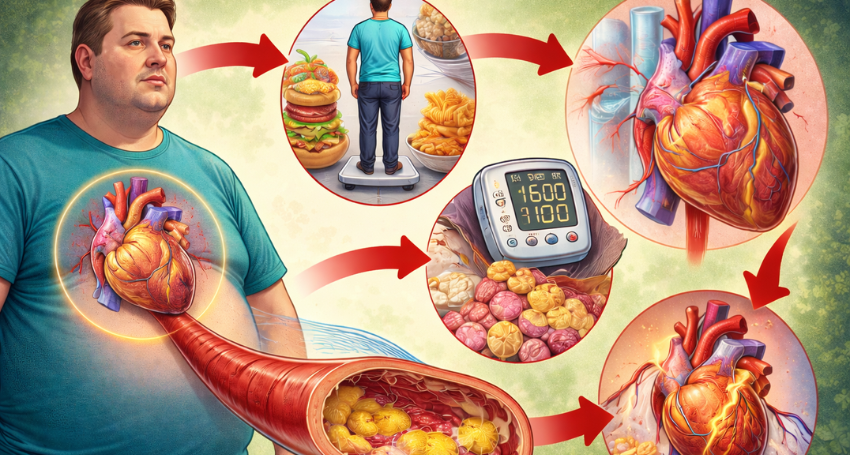
How Obesity Causes Heart Disease: Understanding the Link and Protecting Your Heart
Obesity has become one of the most pressing public health challenges worldwide. As more people struggle with excess weight, health experts continue to emphasize the serious risks associated with this condition. One of the most concerning consequences is how obesity causes heart disease and increases the likelihood of life-threatening cardiovascular problems.
While many people associate heart disease mainly with aging, research shows that obesity plays a major role in weakening heart health at any stage of life. Understanding this connection is essential for prevention, early intervention, and long-term well-being. In this article, we explore how obesity affects the heart, the warning signs to watch for, and practical steps to reduce your risk.
How Obesity Causes Heart Disease Through Physical Changes
When the body carries excess weight, it places additional strain on nearly every organ, especially the heart. Over time, this strain can lead to serious cardiovascular complications.
Increased Blood Pressure and Heart Strain
One of the primary ways obesity causes heart disease is through elevated blood pressure. Extra body fat requires more oxygen and nutrients, which forces the heart to pump harder. As a result, blood pressure rises, and the heart muscle becomes overworked.
Consistently high blood pressure can damage arteries, reduce blood flow, and increase the risk of heart attacks and strokes. Eventually, the heart may become enlarged or weakened, making it less efficient at circulating blood.
Cholesterol Imbalance and Artery Blockage
Obesity is closely linked to unhealthy cholesterol levels. People with excess weight often have:
- High LDL (bad cholesterol)
- Low HDL (good cholesterol)
- Elevated triglycerides
These imbalances encourage plaque buildup inside the arteries, a condition known as atherosclerosis. As arteries narrow, blood flow is restricted, which significantly raises the risk of coronary artery disease.
How ObesityCausese Heart Disease Through Metabolic Disorders
Beyond physical strain, obesity also disrupts the body’s internal systems, contributing to metabolic conditions that harm heart health.
Insulin Resistance and Diabetes Risk
Obesity frequently leads to insulin resistance, a condition in which the body struggles to regulate blood sugar. Over time, this may develop into type 2 diabetes.
Diabetes damages blood vessels and increases inflammation, making heart disease more likely. When obesity and diabetes coexist, cardiovascular risk multiplies significantly.
Chronic Inflammation and Heart Damage
Fat tissue is not just stored energy; it is biologically active. Excess fat releases inflammatory substances that promote chronic inflammation throughout the body. This low-grade inflammation damages blood vessels, encourages plaque formation, and accelerates heart disease progression.
As inflammation persists, arteries become less flexible, further increasing cardiovascular strain.
Warning Signs That Obesity May Be Affecting Heart Health
Recognizing early symptoms can help prevent serious complications. People who are overweight or obese should pay close attention to the following warning signs:
- Shortness of breath during mild activity
- Persistent fatigue
- Chest discomfort or pressure
- Swelling in the legs or ankles
- Irregular heartbeat
Although these symptoms may appear mild at first, they should never be ignored. Early medical evaluation can significantly improve outcomes.
Lifestyle Factors That Strengthen the Obesity–Heart Disease Connection
Poor Diet and Processed Foods
Diets high in saturated fats, refined sugars, and processed foods contribute to weight gain and cardiovascular stress. These foods increase cholesterol, blood sugar, and inflammation levels.
On the other hand, diets rich in fruits, vegetables, whole grains, and lean proteins help protect heart health.
Lack of Physical Activity
Sedentary behavior worsens obesity and weakens the cardiovascular system. Regular physical activity strengthens the heart, improves circulation, and supports weight management.
Even moderate exercise, such as brisk walking for 30 minutes a day, can significantly reduce heart disease risk.
Stress and Sleep Disorders
Chronic stress and poor sleep often accompany obesity. Both conditions raise cortisol levels, increase blood pressure, and promote unhealthy eating habits. Over time, these factors further contribute to heart disease development.
How Obesity Causes Heart Disease: Prevention and Management Strategies
The good news is that heart disease related to obesity is often preventable. Small, consistent changes can produce powerful long-term results.
Healthy Weight Management
Gradual weight loss of even 5–10% can significantly improve blood pressure, cholesterol, and glucose levels. Sustainable weight management focuses on balanced nutrition rather than extreme dieting.
Heart-Friendly Nutrition
A heart-healthy diet includes:
- Fresh fruits and vegetables
- Whole grains
- Lean meats and fish
- Healthy fats (olive oil, nuts, seeds)
- Reduced sodium and sugar intake
These choices help control inflammation and support cardiovascular function.
Regular Medical Monitoring
Routine checkups allow healthcare providers to track blood pressure, cholesterol, and glucose levels. Early detection enables timely intervention before severe complications arise.
Supporting Public Health Through Awareness and Action
Understanding how obesity causes heart disease is not only important for individuals but also for communities and public health systems. Education, access to nutritious foods, safe spaces for physical activity, and preventive healthcare services all play critical roles in reducing obesity-related heart disease.
At This Week in Public Health, we believe that informed individuals make healthier decisions. By staying updated on evidence-based research and wellness strategies, you can take meaningful steps toward a healthier future.
If you are concerned about your heart health or weight-related risks, now is the time to act. Reach out to qualified healthcare professionals, explore trusted public health resources, and commit to positive lifestyle changes. Small improvements today can protect your heart for years to come.
Final Thoughts
Obesity is a complex condition, but its impact on heart health is clear. From increased blood pressure to chronic inflammation, multiple pathways explain how obesity causes heart disease. Fortunately, with proper awareness, lifestyle adjustments, and medical support, these risks can be reduced.
Protecting your heart starts with understanding your body, making informed choices, and seeking guidance when needed. By prioritizing health today, you create a stronger foundation for tomorrow. If you want to stay informed about the latest public health research, wellness strategies, and disease prevention insights, make sure to explore more articles on This Week in Public Health. Our expert-backed content is designed to help you make smarter health decisions for yourself and your community. Visit our website regularly and take an active step toward a healthier fut.ure Contact Us