Human Trafficking in Central America: Trends, Challenges, and Hope for Change
Human trafficking is a widespread crisis throughout Central America, capturing countless children, women, and men into modern slavery. From forced labor on farms to sexual exploitation in illegal brothels, trafficking in persons violates fundamental human rights and creates serious public health and social issues.
As Central America faces poverty, violence, and large-scale migration, traffickers target the vulnerable, fueling an underground economy of exploitation. This regional overview reviews current research and trends on human trafficking in Central America, including the scope of the issue, root causes, effects on communities (especially youth), and the efforts of organizations fighting back, all within the context of today’s immigration challenges in the United States.
A Growing Crisis in the Heart of the Americas
Human trafficking in Central America is part of a broader Latin American crisis that has worsened over recent decades. Globally, an estimated 50 million people were living in modern slavery as of 2022, a shocking figure that amounts to about one in every 125 people. Latin America is especially vulnerable, with the number of detected trafficking victims steadily rising in recent years. Within this broader context, Central America has become a hotspot for human trafficking due to a combination of risk factors, including poverty, corruption, and migration. The issue persists despite efforts at both the national and international levels, highlighting the need for a stronger, more coordinated response.
What does human trafficking look like in Central America?
Data shows that trafficking in the region takes many forms, mainly sexual exploitation and forced labor, and disproportionately affects women, girls, and marginalized groups. According to United Nations research, women make up nearly half of trafficking victims in Latin America, with 87% trafficked for sexual exploitation (including many underage girls). Men and boys, however, make up the majority of forced labor victims (about 57%).
Notably, children are at the forefront of this crisis in Central America. In fact, more than half of all trafficking victims detected in Central America and the Caribbean are children (67%), one of the highest proportions of child victims worldwide. Most of these cases involve girls being coerced into commercial sex or boys into labor and criminal activity, highlighting the urgent vulnerability of youth in the region.
Another concerning factor is that most trafficking in Central America is “home-grown.” About 90% of cases involve victims who are exploited within their own country or by perpetrators from the same region. That is, a victim from Guatemala is often trafficked within Guatemala or to a neighboring country, rather than to distant continents. This domestic and regional pattern means communities often unknowingly provide both the victims and the traffickers.
For example, a young woman from Honduras might be lured by a false job opportunity in a nearby city, only to be forced into prostitution there, sometimes by people from her own social circle. Indeed, studies indicate that many traffickers are not mysterious strangers but members of the victim’s immediate family or community who betray their trust. These dynamics make detection more difficult, as victims may be hidden in plain sight and less likely to seek help when the abuser is a relative or neighbor.
Trafficking routes in Central America also reflect the region’s role as a bridge between the south and the north. Countries like Guatemala, Honduras, and El Salvador (the “Northern Triangle”) are major source nations. Many trafficking victims originate there and are transported northward to Mexico or the United States by criminal networks. Meanwhile, transit and destination hubs exist as well; for example, Panama and Costa Rica have been transit points for networks moving people and sometimes destinations for labor trafficking due to demand for cheap labor.
Mexico (though technically part of North America) is frequently intertwined with Central American trafficking, serving as a corridor through which victims from Central America are moved and exploited en route to the U.S. or within Mexico’s own border regions. These factors contribute to a complex web of trafficking in Central America, where victims can be hidden domestically or shuttled across borders by organized networks.
Root Causes: Why Traffickers Target Central America
Several deeply rooted factors make Central American communities fertile ground for human traffickers. Understanding these drivers is essential for creating an effective, prevention-focused response.
Pervasive Poverty and Inequality: Poverty is perhaps the biggest driver of human trafficking in Central America. In countries like Honduras, Guatemala, Nicaragua, and El Salvador, large portions of the population live below the poverty line, in some cases well over half of all citizens. This economic hardship creates fertile ground for traffickers’ false promises. Struggling families can be lured by offers of jobs or education for their children abroad, not realizing these offers are traps. Traffickers often attract victims with fake opportunities, such as a well-paying job in another country or a scholarship for a child, only to enslave them once they arrive. For many poor parents, the hope of a better future for their children can blind them to danger – a vulnerability that exploiters cruelly take advantage of.
Violence, Instability, and Gangs: Central America has long struggled with high violence and insecurity, which force people into vulnerable situations. Recently, Honduras and El Salvador have experienced some of the world’s highest homicide rates, driven by gang conflicts and organized crime. Gangs directly contribute to trafficking by coercing young girls into sex trafficking or forcing boys into criminal work. In Guatemala, reports indicate that criminal groups have recruited girls as young as 9 to 15, threatening them into sexual exploitation or drug smuggling. These violent groups treat people as commodities, and in areas under gang control, families have few safe choices. Widespread corruption and weak law enforcement worsen the situation, as traffickers operate with little fear of punishment when police and officials are bribed or intimidated. As a Women’s Refugee Commission report notes, Honduras is the most violent country in Central America (homicide rates four times the global average), and women face some of the highest femicide rates in the region, often linked to organized crime. Such extreme violence causes many to flee, which inadvertently benefits traffickers (as discussed in the migration section below).
Gender Inequality and Social Norms: Women and girls are disproportionately targeted by traffickers in Central America, highlighting deep-rooted gender inequalities. Cultural factors such as “machismo” (a patriarchal norm that diminishes the value of women) play a role in the high levels of gender-based violence and the acceptance of exploitation. When society perceives women and children as subordinate, crimes against them like sexual violence and trafficking are often overlooked or normalized.
For example, survivors report that authorities sometimes dismiss or minimize violence against sex-trafficked women, viewing it as an occupational risk rather than a crime. This lack of protection encourages traffickers. Furthermore, LGBTQ+ youth and Indigenous communities face increased risks in some Central American countries, as discrimination can force them into homelessness or migration, making them vulnerable to traffickers.
Migration Pressures and Lack of Safe Pathways: Economic hardship, violence, and natural disasters (such as hurricanes or droughts) have forced millions of Central Americans to migrate in search of safety and opportunity. However, without legal channels to migrate, many turn to smugglers and dangerous journeys, which are vulnerabilities that traffickers exploit. Irregular migrants are especially at risk: recruiters often withhold migrants’ documents and threaten to report them for immigration violations to keep them obedient. Others incur large debts to smugglers, only to be told they must “work off” the debt under slave-like conditions once they arrive. We will explore this dangerous nexus between migration and trafficking in the next section, as it is central to both regional and U.S. challenges.
Limited Economic Opportunities for Youth: Central America has a young population, and many adolescents face limited job or educational opportunities. Traffickers target these youth, especially teenage girls, through grooming and false romance. A common tactic is the “lover boy” scheme, where a young man pretends to have romantic interest and then convinces a girl to run away with him, only to force her into sex trafficking. With high youth unemployment and low access to secondary education in parts of the region, traffickers’ promises of income or love can appear to be a lifeline for vulnerable teens. The lack of strong child protection systems means these missing teens often go unnoticed, ending up in brothels or forced labor camps before anyone realizes what happened.
Together, poverty, violence, discrimination, and lack of opportunity create a perfect storm of vulnerability in Central America. Traffickers, whether organized networks or opportunistic individuals, exploit these hardships. Any lasting solution must therefore address these root causes: reducing poverty and inequality, curbing gang violence and corruption, promoting gender equality, and creating safer pathways for migration and youth development.
Migration and Trafficking: A Dangerous Intersection
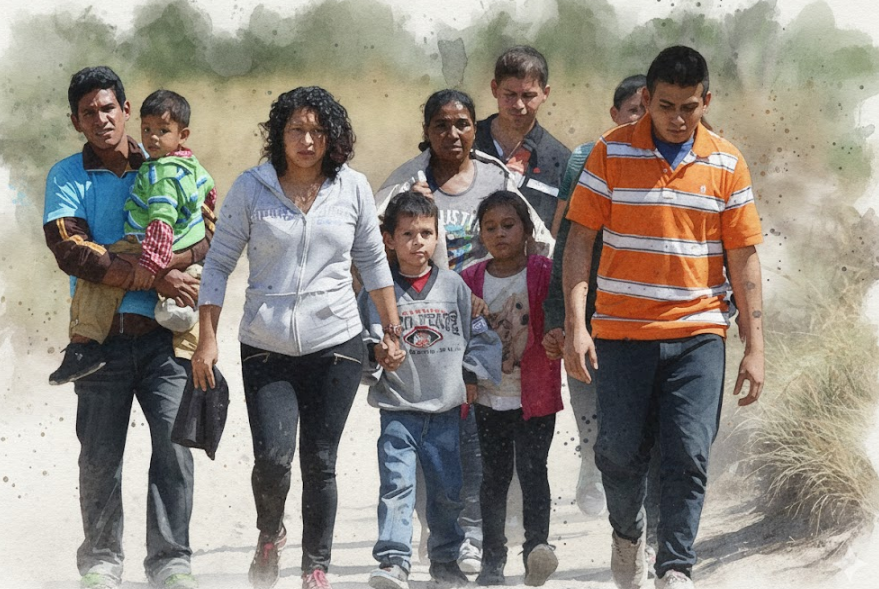
The current immigration challenges faced by the United States are closely connected to the human trafficking crisis in Central America. In recent years, record numbers of migrants from Central America, as well as from countries like Venezuela and Cuba, have traveled northward out of desperation. Sadly, this large movement has also created opportunities for traffickers, who often operate in the shadows along migration routes.
Migrant smuggling vs. human trafficking: It’s important to distinguish between the two. Smuggling involves facilitating illegal border crossings, usually with consent but often dangerous, while trafficking involves coercion and exploitation. However, the line can blur in practice. Many Central American migrants who initially pay a smuggler for passage end up becoming trafficking victims. Organized criminal groups have been known to “sell” migrants into slavery or forced prostitution, or extort them for extra money through threats of violence. According to a Columbia University study, smugglers sometimes hand female migrants from Central America over to traffickers en route to the U.S., essentially turning transport into captivity. Women and girls who set out hoping to reach America can find themselves trapped in brothels in Mexico or the U.S., controlled by traffickers who use rape, beatings, and threats to their families back home as tools of terror.
The journey itself has become exceedingly perilous. Migrants often cross multiple countries on foot, including dangerous areas like the Darién Gap, a dense jungle between Colombia and Panama with no roads. In 2023, a record 500,000 people crossed the Darién Gap looking for a route north, doubling the previous year’s total. This surge in irregular migration has been linked to increases in violence and exploitation along the route. Humanitarian groups report that many migrants face assaults, robbery, and sexual violence at alarming levels. Doctors Without Borders (MSF) documented at least 397 cases of sexual assault in the Darién in 2023, including victims as young as 11 years old – more than twice the number from the year before. And these are only the reported incidents; MSF highlights that the true number of abuses is probably much higher due to underreporting. Criminal gangs control parts of the route: migrant women are often raped or coerced into “survival sex” to keep moving, and some are kidnapped outright. One disturbing account described an armed group in the Darién separating men from women and taking several young girls into the forest to sexually assault them. At the same time, their families could only wait helplessly.
Upon reaching the U.S. or U.S. border, Central Americans remain vulnerable. Many unaccompanied minors and women end up in overcrowded shelters or detention centers, where traffickers may try to recruit or kidnap them. Others are lured by offers of housing or work in the U.S., only to be trafficked once inside. Alarmingly, some survivors report being treated as criminals rather than victims when they are identified at the border. Without proper screening, trafficking victims can be deported back to danger or even prosecuted for crimes their traffickers forced them to commit. The Human Rights Research Center notes that globally, legal systems often mislabel victims as criminals, leading to unfair punishment of trafficking survivors. This highlights a critical gap in how immigration and justice systems handle trafficking cases.
Recent shifts in U.S. immigration policy have also had unintended consequences. For instance, the U.S. recently ended Temporary Protected Status (TPS) for Honduras, which could force tens of thousands of Hondurans in the U.S. to return to a country still plagued by violence. Meanwhile, reductions in foreign aid to Central America have led to the closure of local programs that prevent violence and support victims. Advocates warn that these actions “cut off critical lifelines” for vulnerable women and girls, leaving them with a heartbreaking dilemma: stay and face potentially deadly violence at home, or migrate and risk being trafficked, abused, or killed along the way.
As one expert noted, “Women in Central America are being forced into an impossible choice: to stay where they are, and risk being killed… or migrate elsewhere, and risk being trafficked, deported, and abused in their search for safety.”
This harsh reality underscores that immigration challenges cannot be addressed separately from human trafficking and gender-based violence. A comprehensive approach is necessary—one that protects migrants from exploitation and provides refuge and support for trafficking victims rather than punishment.
The U.S. border crisis and Central America’s trafficking crisis are closely linked. Large migration flows (U.S. authorities recorded nearly 2.5 million migrant encounters at the southern border in 2023, a record high) are both caused by and contribute to human trafficking. Any effective solution must involve cooperation: strengthen protections for migrants, expand legal migration options (so people aren’t forced to rely on smugglers), and recognize trafficking survivors within the migrant community as victims in need of help, not as collateral damage of enforcement. Tackling the “push factors” – persistent violence, poverty, and instability – that drive people to flee will also reduce the number of vulnerable individuals traffickers target. This is as much a humanitarian and public health issue as it is a border security matter.
The Human Toll: Health and Psychological Impacts
Human trafficking causes severe physical and mental trauma to its victims making it also a public health emergency. Survivors often face serious health problems that can persist for a lifetime, highlighting why public health professionals and even school psychologists need to be involved in the anti-trafficking efforts response.
Physical health consequences: Trafficked people often suffer from malnutrition, untreated injuries, and exposure to infectious diseases. Women and girls forced into prostitution face high rates of sexually transmitted infections (STIs), including HIV, as well as complications from forced abortions or sexual violence. Many labor trafficking victims experience workplace injuries, chronic pain, and exhaustion from long hours in dangerous conditions. Basic healthcare is typically denied; traffickers often prevent victims from seeking medical help to avoid detection. When survivors are eventually rescued or manage to escape, they may need extensive medical treatment to recover from years of neglect and abuse.
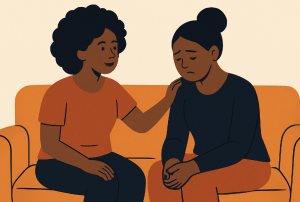
Mental health and trauma: The psychological scars of trafficking run deep. Post-traumatic stress disorder (PTSD), depression, anxiety, and complex trauma are common among survivors, especially children. Research shows that most women and teen survivors display PTSD symptoms even years after leaving a trafficking situation. Victims have faced extreme control, such as threats, violence, and isolation, which can lead to depression, suicidal thoughts, and trust issues. Children who are trafficked (or even those who witness a parent being trafficked) often experience developmental and behavioral problems. For example, young survivors might struggle in school with concentration or show trauma responses like hyper-vigilance or aggression, where trained school psychologists and counselors are essential. Recognizing these children and providing trauma-informed support can help reduce long-term harm.
Moreover, survivors who are parents face distinct challenges. A study focusing on trafficked women from Central America now living in the U.S. demonstrated how trauma can even affect their parenting: mothers often experience feelings of disempowerment, hyper-vigilance, and emotional numbness, which can influence their bond with their children. They might become overprotective or have difficulty responding to their child’s emotional needs due to their own unresolved trauma. Without support, this can continue cycles of mental health issues into the next generation. Early interventions such as parenting support groups, mental health services, and school-based assistance can make a significant difference in helping survivor parents and their children heal together.
It is also important to recognize that survivors often face stigma and legal barriers that worsen their mental health struggles. If a victim was coerced into illegal activities (such as prostitution or petty crime), they might end up with a criminal record, which makes reintegration more difficult. In some communities, trafficked women are shamed or not believed, leading to social isolation. This is why advocacy and survivor-centered services are so vital. Organizations are increasingly offering trauma-informed care, making sure survivors have access to counseling, peer support, and legal assistance to help them rebuild their lives.
For example, shelters in Central America and the U.S. provide comprehensive care: medical treatment, psychological therapy, support groups, and life skills training to aid survivors in their recovery. Public health initiatives also focus on training healthcare providers to recognize signs of trafficking—such as a patient showing signs of abuse accompanied by a controlling person—so victims can be identified in clinics or emergency rooms. The mental health of survivors is a public health priority because untreated trauma can lead to numerous issues, abuse, chronic illness, and inability to work, which impact not only the individual but entire communities.
Human trafficking is as much a health crisis as a human rights crisis. Treating the visible and invisible wounds caused by trafficking is essential to recovery. This is where public health professionals, mental health experts, and educators join anti-trafficking efforts: by providing the healing and support survivors need to rebuild their lives. An advocacy-focused approach underscores that survivors deserve empathy and care, not judgment. By addressing their health and psychological needs, we can help break the cycle of trauma and empower survivors to become thriving members of society once again.
Fighting Back: Laws, Initiatives, and Key Organizations
Addressing the human trafficking crisis in Central America requires a multifaceted approach involving governments, international agencies, and grassroots groups. In recent years, there have been significant efforts across all these areas from tougher laws to cross-border operations and community-based programs. Here, we highlight some of the main initiatives and organizations working to reverse the trend and offer hope to victims.:
Strengthening Laws and Prosecutions: All Central American countries have criminalized human trafficking, aligning their laws with the UN Palermo Protocol – the global treaty against trafficking. Governments have established specialized anti-trafficking units and, in some cases, dedicated courts or prosecutors’ offices.
For example, Guatemala recently established a Special Prosecutor’s Office to Fight Human Trafficking, with local NGOs such as Covenant House Guatemala playing a key role. Regionally, authorities formed the Ibero-American Network of Prosecutors (REDTRAM) to enhance cross-border cooperation in investigations. Despite these measures, convictions of traffickers remain low. Advocacy groups emphasize that laws must be enforced through “concrete actions, including more prosecutions and harsher sentences, to end impunity. A positive development is the increase in joint operations. In 2024, a coalition of 16 countries, UNODC, and INTERPOL launched “Project Turquesa” to coordinate cross-border efforts against trafficking networks. By mid-2025, the operation had resulted in more than 200 arrests of suspected traffickers across Latin America. Such collaborative efforts send a strong message that traffickers will no longer find safe havens across borders.
Coalition Against Trafficking in Women – Latin America (CATW-LAC): A regional branch of the global NGO CATW-LAC is a women-led organization dedicated to advocacy, survivor support, and grassroots prevention. Led by prominent activist Teresa Ulloa in Mexico, CATW-LAC works to increase public awareness of sexual exploitation and advocates for victim-centered policies with governments. They also empower survivors to become leaders; in 2024, a network of survivors affiliated with CATW-LAC addressed the Organization of American States (OAS) General Assembly, urging for greater accountability of traffickers. This demonstrates how survivor voices are increasingly taking a leading role in advocacy across the region.
Covenant House (Casa Alianza): Covenant House International runs shelters and safe houses for homeless and trafficked youth throughout the Americas. In Central America, under the name Casa Alianza, they operate safe homes in Guatemala and Honduras specifically for survivors of child trafficking, including one house for girls (ages 12–18) and a newly opened house for boys who survived sexual violence or exploitation. Here, rescued youth receive “unconditional love and trauma-informed care,” which includes comprehensive services like medical and mental health support, education, and job training in a secure environment. Covenant House also goes beyond immediate care by actively working on prevention through community education. They have trained thousands of police, judges, and community members to recognize and respond to child trafficking. Their legal teams assist in prosecuting traffickers. Covenant House Guatemala is among the country’s leaders in successful trafficking prosecutions, ensuring offenders face justice. According to Covenant House’s 2024 impact report, their programs supported over 50,000 youth worldwide, and astonishingly, “1 in 2” of the youth in their Latin America programs had experienced trafficking, highlighting both the scale of the problem and the extent of their efforts.
International Organization for Migration (IOM): As the UN’s migration agency, IOM plays a vital role in counter-trafficking efforts in Central America and beyond. The first woman to lead IOM, Director-General Amy Pope, has emphasized helping those in “vulnerable, inhumane crises” such as trafficking. Over the past 70+ years, IOM has assisted more than 100,000 trafficking survivors worldwide with return, rehabilitation, and reintegration. In Central America, IOM conducts awareness campaigns, including a regional initiative launched in El Salvador, Costa Rica, and Nicaragua, to warn potential migrants about trafficking dangers. It also provides direct assistance: IOM’s office in Mexico reported helping dozens of trafficking victims from Central America, many of whom were stranded migrants in need of protection.
A key part of IOM’s approach is forming partnerships with local governments, NGOs, and even tech companies to improve data on trafficking through the Counter-Trafficking Data Collaborative and enhance victim identification. By coordinating shelters and offering technical support for law enforcement, IOM helps bridge gaps between countries, ensuring victims don’t slip through the cracks as they cross borders.
United Nations Office on Drugs and Crime (UNODC): UNODC leads numerous global programs to support Latin America. Under Executive Director Ghada Waly, UNODC has launched initiatives like GLO.ACT (Global Action to Combat Trafficking), which includes a Women’s Network to promote female leadership in law enforcement. They have also piloted innovative projects in the region, such as TRACK4TIP, which focuses on tracking cases of trafficking in persons in migration contexts (relevant to Central America’s migrant flows), and STARSOM, which targets migrant smuggling.
Additionally, UNODC helped establish the International Academy on Human Trafficking and Migrant Smuggling in 2024, in collaboration with the University for Peace in Costa Rica. This academy trains a new generation of law enforcement officers and experts in comprehensive anti-trafficking strategies. UNODC’s work often involves close cooperation with other agencies (like INTERPOL on operations such as Turquesa). By providing research, funding, and expertise, they support Central American governments in improving their anti-trafficking action plans and victim services.
Survivor-Led and Local Initiatives: Across Central America, numerous local NGOs and survivor-led organizations combat trafficking directly. For example, the Marcela Loaiza Foundation, founded by a Colombian survivor trafficked to Japan, collaborates with UNODC to support survivors in Latin America and provide them a platform to share their stories. Grassroots women’s organizations in Honduras and Guatemala work to protect girls from gangs and offer shelters for abuse victims, though many are strained due to resource cuts. International justice organizations like the International Justice Mission (IJM) have projects in some Central American countries to assist police with rescue operations and strengthen legal cases against traffickers. Kids in Need of Defense (KIND), primarily focused on providing legal aid to unaccompanied migrant children, also works in Central America to ensure children fleeing violence (including trafficking) are protected and not returned to danger. These efforts, great and small, create a patchwork of resistance against trafficking.
Importantly, collaboration among these groups is growing. We now see shelters partnering with police, survivors informing policy at the OAS and UN, and cross-border task forces sharing intelligence. On World Day Against Trafficking in Persons, campaigns unite governments and NGOs to raise awareness. Although challenges persist, such as reduced USAID funding, the need for more prosecutions, and corruption, the growing coalition committed to ending human trafficking in Central America provides a source of hope. Every arrest of a trafficker, every child rescued and rehabilitated, and every community educated about the risks is a step toward dismantling the networks of exploitation.
Advocacy and Action
Human trafficking in Central America is a humanitarian crisis that occurs unnoticed. It persists amid social injustice fueled by poverty, violence, and corruption, and worsened by the desperation linked to migration.
For readers of This Week in Public Health and This Week in School Psychology, the message is straightforward: this problem calls not just for awareness but for action. Public health professionals can promote trauma-informed care and mental health support for survivors; educators and psychologists can advocate for school-based programs to identify and aid vulnerable youth; and policymakers can work to establish safer migration routes and more robust safety nets in Central America, ensuring no one is forced to choose between violence at home and exploitation abroad.
Internationally, it’s essential to view human trafficking as a shared obligation. The United States, as a destination for many trafficked individuals from Central America, has a vital role to play. This involves fully funding anti-trafficking programs, making sure immigration policies recognize the realities of trafficking (such as screening migrants for victimization and providing asylum or visas to those trafficked), and continuing to support development and violence-prevention efforts in the region. Cutting aid or closing doors indiscriminately can unintentionally create opportunities for traffickers to step in when legitimate support is lacking. Instead, a balanced approach of enforcement and protection is necessary: target criminal networks, while also defending and empowering the people they target.
For Central American governments, strengthening the rule of law is essential. This involves dedicating resources to investigating trafficking cases, even when they include officials or influential individuals, protecting whistleblowers and witnesses, and tackling the corruption that often enables these crimes.
Public awareness campaigns must reach remote villages where traffickers recruit, spreading the message that a shiny job offer abroad could be a trap and that help is available. Community leaders, from clergy to local teachers, need training to recognize signs of trafficking and ways to report it safely.
Above all, an advocacy-focused approach centers on survivors. It involves listening to their voices when developing policies, recognizing their resilience, and providing long-term support such as education, employment, and a caring community to help them truly recover. Many survivors, once healed, become passionate advocates to prevent others from experiencing the same suffering. When we discuss immigration and public health, let’s remember that behind every statistic is a human life: the 15-year-old Guatemalan girl forced into sex work, the Honduran boy made to work on a farm, the young mother from El Salvador trafficked while trying to reach the U.S., who still dreams of a better future for her child. Their stories must inspire us to take action.
Human trafficking in Central America is a complicated but solvable issue. With ongoing effort, collaboration across sectors, and genuine advocacy, we can fight against the traffickers’ control. It’s a battle for basic human dignity that crosses borders. By addressing the causes of the problem and supporting its survivors, we honor our shared humanity. Central America’s challenges are our collective duty, and together, we can work toward a future where migration is a choice, not a need driven by fear, and where no person is ever sold. Now is the time to act, turning research and awareness into meaningful change, so that freedom, safety, and hope can thrive again in the communities that have endured this injustice for too long.