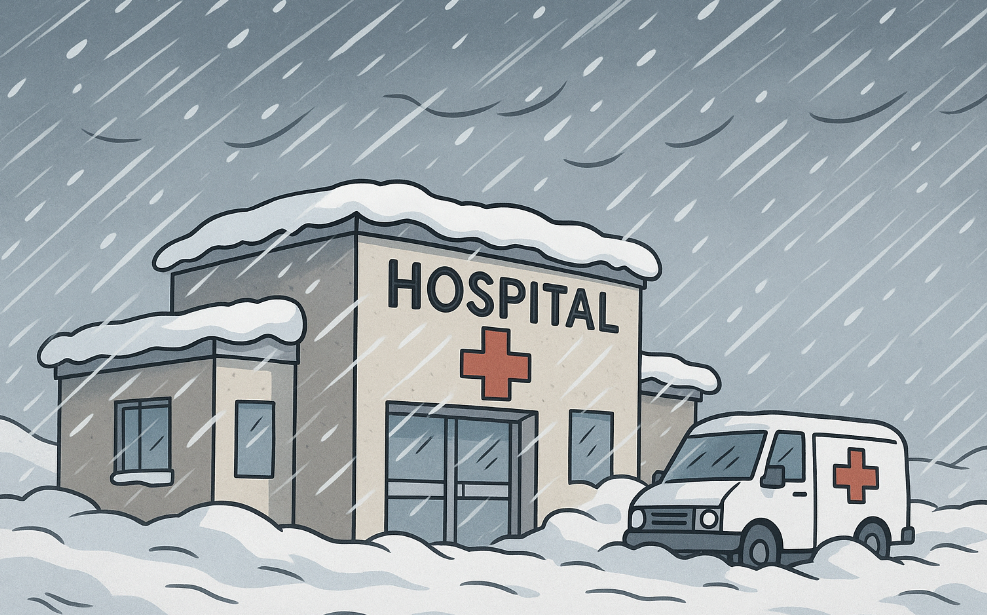
Extreme Weather Is Overloading Health Systems
On a humid July afternoon, the emergency department in a mid-sized city is already strained. Ambulances arrive nonstop. Elderly residents struggle with heat exhaustion. A dialysis patient collapses after missing treatment because the clinic shut down during a storm. The charge nurse scans the waiting room and quietly wonders: how much more can this system take?
A new systematic review of reviews published in Public Health takes this question seriously. The authors examined 114 reviews covering floods, storms, heatwaves, cold spells, and wildfires, and their impacts across every layer of the health system. Their goal was simple. Map, with clarity, how extreme weather events shape the day-to-day functioning of hospitals, EMS, primary care, pharmacies, and public health. What they found is not just another climate story. It is a warning about the increasing fragility of the systems we rely on.
The Problem: Extreme Weather Is Now a Health System Stress Test
Extreme weather events are becoming more intense and frequent. Heatwaves are longer. Floods are deeper. Wildfires are reaching places that have not burned in decades. The review shows that these events do not only harm individuals. They disrupt the systems meant to protect those individuals.
Across the literature, one message is unmistakable: every part of the health system absorbs consequences when weather becomes extreme. And those consequences compound. A flooded road delays an ambulance. A delayed ambulance leads to deteriorating health. A deteriorating patient arrives at an overwhelmed emergency department. Staff face impossible decisions about who gets care first.
This is how extreme weather becomes not just a hazard, but a systems problem.
Evidence: What Happens to Health Systems During Extreme Weather
The review maps a clear pattern. Each extreme weather event affects different parts of the health system in its own way, but all create rapid and often cascading disruptions. Below is a streamlined look at what actually happens on the ground.
1. Prehospital Care: Access Becomes the First Casualty
Flooded roads, broken bridges, and washed-out neighborhoods leave EMS teams unable to reach patients. Even when boats or helicopters are used, travel is slow and limited. Extreme heat drives up ambulance dispatches and can degrade medications or equipment stored in trucks. Smoke from wildfires triggers spikes in calls for asthma, COPD, and diabetes within hours.
2. Emergency Departments: Surges Arrive Fast and Hard
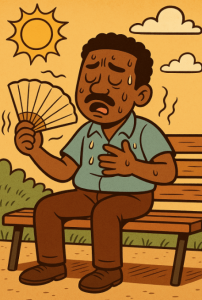
When roads reopen, emergency departments absorb the consequences. Storms bring patients with injuries, infections, carbon monoxide poisoning, or complications related to power outages and missed treatments. Heatwaves produce large, predictable surges for dehydration, heart and lung conditions, electrolyte disorders, pregnancy complications, and mental health crises. Wildfire smoke pushes respiratory and cardiovascular visits even higher, especially among older adults and children.
3. Hospitals: Infrastructure Fails at the Worst Possible Time
Storms can flood basements, damage electrical systems, disrupt sewage and water quality, and force the closure of entire units. Equipment fails when power fluctuates or cooling systems break down. Heatwaves strain medical devices and water systems, making hospital access difficult for rural populations. During wildfires, smoke infiltration can shut down wards and limit ICU capacity.
4. Primary Care and Elderly Care: Long Tail Disruptions
Primary care clinics are vulnerable to flooded buildings, power failures, and damaged transportation routes. Older adults often lose access to home nursing during storms or ice events, and many do not bring medications when displaced. After major floods, increased demand for routine care and prescription refills can last months. Heatwaves boost visits for diabetes, kidney disease, and mental health issues. Wildfires interrupt management of chronic conditions that rely on stable and consistent care.
5. Pharmacies: A Fragile but Essential Lifeline
Pharmacies face structural damage, medication loss, and supply chain delays after storms. When clinics close, pharmacists often step into new roles such as triage, patient counseling, or shelter-based support. Heatwaves raise demand for psychotropic medications, while cold spells restrict access altogether. Wildfires increase the need for respiratory medicines like inhalers and oral steroids.
6. Public Health Departments: Quiet Pressure on the Back End
Behind the scenes, public health agencies expand surveillance for contaminated water, foodborne disease, and respiratory threats. Storm-related power outages increase monitoring needs. Wildfires require rapid communication about air quality and protective measures. These responsibilities intensify quickly and often stretch already limited staff and resources.
What This Means in Practice: Actions for Health Leaders
For hospitals
- Protect critical infrastructure such as generators, documentation systems, and water supply lines.
- Preplan evacuation routes and relocation strategies for ICU and dialysis patients.
- Adjust staffing plans for heatwave surges, especially during transition seasons when heat arrives unexpectedly.
For EMS agencies
- Map alternative access routes and overlay them with flood risk zones.
- Develop protocols for drug and equipment safety during extreme heat or cold.
- Anticipate increases in respiratory, diabetic, and cardiovascular emergencies during wildfire seasons.
For primary care and home health
- Create continuity of care plans for elderly and chronically ill patients who may become isolated.
- Educate patients about maintaining medication lists and backup plans during evacuations.
For pharmacies
- Strengthen stock rotation and storage protections against heat and flooding.
- Prepare for surges in respiratory and psychotropic medication needs.
For public health departments
- Build flexible surveillance systems for heat, smoke, and flood-related illnesses.
- Lead preparedness communication with a focus on vulnerable populations, especially older adults and people with chronic conditions.
Barriers and Systemic Challenges
Several obstacles make these steps difficult:
- Infrastructure in many regions is aging and not designed for increasingly severe weather.
- Health systems rarely coordinate across levels of care during climate events.
- Emergency plans often focus on mass casualties rather than prolonged events like heatwaves.
- Primary care and pharmacies are often overlooked in disaster planning.
- Staff burnout increases after repeated exposure to climate-related crises.
The review also notes gaps in research. Evidence is strong for floods and heatwaves, but weaker for cold spells and for system-level impacts of wildfires. Little is known about long-term effects on equipment, medicines, or human resources.
What Is Next: Building Climate-Resilient Care Systems
Extreme weather will not slow down. The question for health systems is whether they can adapt quickly enough. The authors argue that preparing for climate-related health impacts requires integrated planning across hospitals, EMS, primary care, public health, and communities. It also requires local knowledge. A flooded rural town has very different needs than a smoke-choked metropolitan region.
Health systems that succeed will be those that treat climate risk not as a future possibility, but as a present operational reality.
A Conversation Starter for Your Organization
- How would your agency maintain service delivery if power were lost for 48 hours during a storm?
- Which populations in your community are most vulnerable during heatwaves or smoke events, and are you reaching them early enough?
- What coordination gaps exist between EMS, hospitals, pharmacies, and public health in your region during extreme weather?