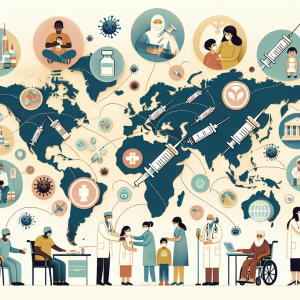

Navigating Vaccine Hesitancy and Misinformation
We are continuously challenged by vaccine hesitancy and misinformation.
These issues have been central to discussions at several international forums and publications, including a special section on trust in public health by the American Journal of Public Health (AJPH). Building trust and trustworthiness in public health has emerged as a crucial theme for 2026, highlighting the need for strategies that address hesitancy and misinformation.
Vaccine Hesitancy: Understanding the Roots
Vaccine hesitancy is a phenomenon where individuals delay or refuse vaccination despite the availability of vaccination services. It has been identified as a significant threat to global health. Historical and contemporary evidence suggests that hesitancy is linked to factors such as a lack of trust in health authorities, negative media portrayals, and cultural beliefs.
A recent UN report emphasized the persistence of vaccine myths despite substantial scientific evidence to the contrary (UN Report). The World Health Organization (WHO) has reiterated the safety of vaccines in multiple reviews, yet global surveys reveal lingering doubts among certain populations.
The Impact of Misinformation
Misinformation has exacerbated vaccine hesitancy. Social media platforms often serve as echo chambers where unfounded claims spread rapidly, influencing public perception. A University of Pennsylvania study found that individuals were 70% more likely to share misinformation than factual information.
The rapid spread of misinformation was a focal point of the ongoing discussions at the WHO, which called for stronger regulatory frameworks to address health-related misinformation. Reports indicate that countries such as the United States are moving towards implementing stricter controls, albeit with challenges in balancing freedom of speech.
Building Trust: Community Engagement and Transparency
Public health experts advocate for a multi-pronged approach to build trust. Community engagement is at the forefront, ensuring that public health messaging is culturally relevant and accessible. The Global Health Council highlights successful initiatives in Africa, where local leaders are actively involved in health communication strategies.
Transparency is another critical element. Health agencies are encouraged to provide clear, consistent, and evidence-based information. The U.S. Centers for Disease Control and Prevention (CDC) has revamped its communication strategies, focusing on transparency in sharing data related to vaccine safety and effectiveness.
The Role of Healthcare Professionals
Healthcare professionals play a vital role in influencing public health decisions. They are often seen as trusted sources of health information and can bridge the gap between health agencies and the public. Training programs to enhance communication skills among healthcare providers are vital for mitigating vaccine hesitancy.
Future Directions: Technology and Innovation
Innovative technologies such as AI and big data analytics offer new opportunities to understand public sentiment and tailor health interventions. The Oregon Health Authority recently reported on the use of these technologies to predict trends in disease outbreaks and public health responses (Oregon Health Authority.)
Moreover, the increased emphasis on telehealth services driven by pandemic-related innovations suggests a new frontier in public health practice. These services provide a platform for consistent, transparent communication between health practitioners and patients, fostering trust and encouraging positive health behaviors.
Conclusion
Addressing vaccine hesitancy and misinformation requires a collaborative effort involving health authorities, communities, and technological advancements. As we move through 2026, the emphasis on trust-building in public health will remain critical to ensuring widespread acceptance of vaccinations and adherence to public health guidelines. Through continued research, community involvement, and the embrace of innovation, public health can effectively tackle the misinformation epidemic.