
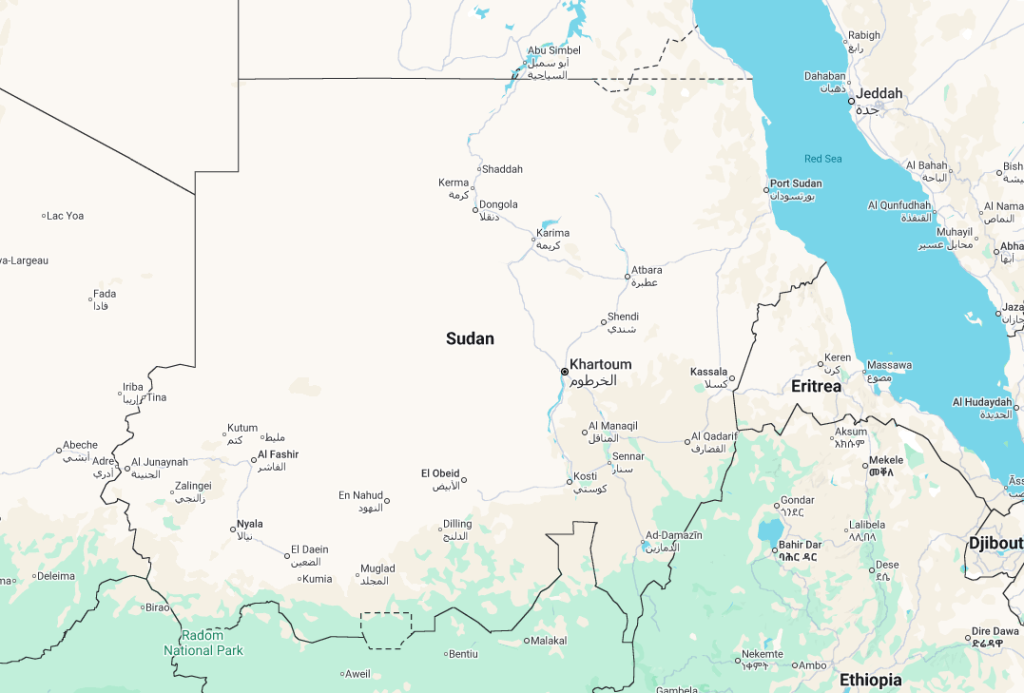
The Crisis of Sudan’s Collapsed Health System
As the war in Sudan rages on, the nation’s health system has reached a critical state of collapse, threatening the lives of millions. The country’s healthcare facilities are crumbling amidst warfare, disease outbreaks, and a dire shortage of resources, marking a significant public health crisis (UN News). This blog post looks at complex situation, exploring the roots of the problem, the ongoing struggles, and the path forward.
A Nation on the Brink
Since conflict reignited in Sudan nearly a thousand days ago, the country’s fragile health infrastructure has been pushed to the breaking point. Health facilities are operating under severe constraints, with many forced to close due to targeted attacks and insufficient supplies. The World Health Organization (WHO) has noted widespread disease outbreaks, malnutrition, and an unprecedented rise in preventable deaths as key indicators of systemic failure (WHO EMRO).
The Collapse of Essential Services
Hospitals across Sudan have seen operations grind to a halt, with some providing minimal services from temporary tents as bombings and military actions continue. The UN reported that basic health care access has been stripped from millions, leaving civilians to bear the brunt of a health system in ruins. The ongoing humanitarian crisis has not only affected immediate health care delivery but has also obstructed the already limited medical research and advancement within the country (UN News).
Impact on Vulnerable Populations
The consequences of the health system’s collapse disproportionately impact the most vulnerable, including children, pregnant women, and the elderly. Agencies have documented a stark increase in maternal and neonatal deaths, compounded by the lack of trained health professionals and medical supplies (ImpACT International).
Global Response and Challenges]
Global humanitarian organizations, including the International Rescue Committee (IRC) and the WHO, are working to deliver aid amid enormous logistical challenges. The conflict has severely restricted aid workers’ access, creating a humanitarian bottleneck that prevents assistance from reaching those in desperate need. Despite international efforts to mediate peace and introduce ceasefires, steadfast hostilities have rendered many peace attempts ineffective (IRC).
Health and Human Rights Violations
The situation in Sudan also highlights significant human rights concerns, as civilians face consistent attacks and violations. The displacement of over 12.4 million people has exacerbated health crises, where sanitation is compromised, and safe drinking water is a rarity. This complex interplay between armed conflict and public health reveals urgent ethical and political issues that require a bold international response (UN News).
Moving Forward: Solutions and Advocacies
Addressing the crisis requires a multi-faceted approach that combines diplomatic efforts, humanitarian aid, and capacity-building within Sudan’s health sector. Immediate focus on humanitarian corridors is essential, alongside enforcing international laws that protect health facilities and workers.
Moreover, rebuilding trust in health care requires bolstering a coordinated global effort to sustain public health infrastructure investment. The challenges posed by the crisis also open the door to discussion of the role of traditional medicine and community-led health initiatives in long-term recovery efforts.
Conclusion
Sudan’s health crisis is not just a national concern but a global imperative. Without unprecedented global involvement and robust policy interventions, the collapse of Sudan’s health system will serve as a cautionary tale for international health governance. As the global community, it is our responsibility to ensure that effective health systems are not a privilege of the few but a fundamental right for all.
For further information on the Sudan health crisis, visit the United Nations Portal on Sudan.