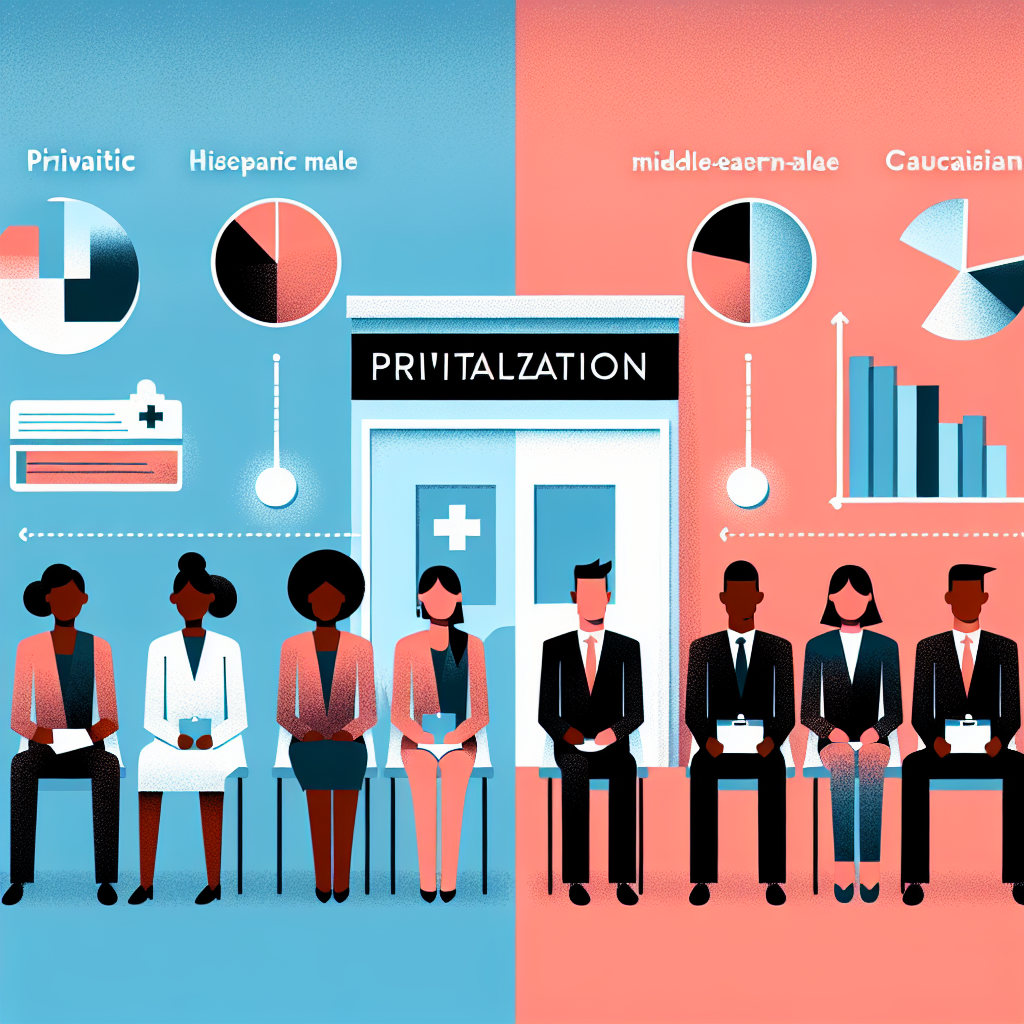
The Impact of Privatization on Healthcare Access and Public Health Outcomes
In recent years, many countries have shifted toward privatizing healthcare systems, reshaping the global landscape of public health. This trend, driven by various factors including economic pressures, promises improved efficiency and innovation. However, it has also sparked debates about its impacts on access, quality, and health equity.
Privatization in Healthcare: An Overview
Healthcare privatization involves transferring ownership, management, or provision of healthcare services from the public sector to private entities. This transformation can be seen in different forms, such as the conversion of public hospitals to private ownership or the introduction of private insurance schemes.
- Economic Pressures: Nations like Saudi Arabia cite escalating healthcare costs and diminished revenues from other sectors as reasons for embracing privatization.
- Case Studies: The shift towards privatization has been studied intensively, offering varied perspectives on its implications for healthcare systems.
Health Outcomes and Access
One key concern with healthcare privatization is its impact on access to care and public health outcomes.
Challenges to Access
Privatization may lead to increased profitability for hospitals and healthcare institutions, but it often raises barriers for lower-income populations:
- Studies indicate that privatized systems might prioritize profitability over public access, potentially excluding disadvantaged groups.
- The transition from public to private ownership can sometimes create discrepancies in quality, as private entities may not follow stringent regulations initially designed for public welfare.
Impact on Public Health
The shift towards a privatized healthcare system has intricate effects on public health:
- Some studies highlight improvements in service efficiency, yet others voice concerns about the erosion of universal healthcare access
- Privatization requires robust oversight to prevent undermining public health equity and ensure comprehensive care delivery.
-
Here is the updated blog post with the new section included:
The Global Shift Toward Healthcare Privatization: Trends and Challenges
In recent years, many countries have shifted toward privatizing healthcare systems, reshaping the global landscape of public health. This trend, driven by various factors including economic pressures, promises improved efficiency and innovation. However, it has also sparked debates about its impacts on access, quality, and health equity.
Privatization in Healthcare: An Overview
Healthcare privatization involves transferring ownership, management, or provision of healthcare services from the public sector to private entities. This transformation can be seen in different forms, such as the conversion of public hospitals to private ownership or the introduction of private insurance schemes.
-
Economic Pressures: Nations like Saudi Arabia cite escalating healthcare costs and diminished revenues from other sectors as reasons for embracing privatization.
-
Case Studies: The shift towards privatization has been studied intensively, offering varied perspectives on its implications for healthcare systems.
Health Outcomes and Access
One key concern with healthcare privatization is its impact on access to care and public health outcomes.
Challenges to Access Privatization may lead to increased profitability for hospitals and healthcare institutions, but it often raises barriers for lower-income populations:
-
Studies indicate that privatized systems might prioritize profitability over public access, potentially excluding disadvantaged groups.
-
The transition from public to private ownership can sometimes create discrepancies in quality, as private entities may not follow stringent regulations initially designed for public welfare.
Impact on Public Health The shift towards a privatized healthcare system has intricate effects on public health:
-
Some studies highlight improvements in service efficiency, yet others voice concerns about the erosion of universal healthcare access.
-
Privatization requires robust oversight to prevent undermining public health equity and ensure comprehensive care delivery.
Implications for Research and Funding
As healthcare systems transition toward private models, the landscape of medical research and financial investment undergoes a significant transformation. This shift alters not only who gets funded but also which areas of health receive the most attention.
-
Commercialization of Research: In a privatized environment, research funding often flows toward high-profit areas, such as elective procedures, specialized pharmaceuticals, and high-tech medical devices. This can lead to a “funding gap” for primary care, infectious disease prevention, and chronic conditions that affect marginalized populations but offer lower financial returns.
-
Data Transparency and Access: When private entities manage healthcare data, academic researchers may face barriers to accessing large-scale clinical information. Ensuring that data remains available for independent public health research is critical for unbiased system evaluation.
-
The Role of Public Grants: As government budgets for direct care delivery shrink, there is a risk that public investment in basic scientific research may also be deprioritized. Maintaining strong public funding for “blue-sky” research—work that may not have an immediate commercial application—is essential to prevent a long-term stagnation in medical breakthroughs.
-
Public-Private Partnerships (PPPs): New funding models are emerging where private capital supports public research goals. While these can accelerate innovation, they require strict ethical frameworks to ensure that the resulting intellectual property remains accessible and affordable for the general public. (We’ll be talking with a colleague in Nigeria about his research in this area in the new year.)
-
Considerations for Policymakers
Decisions regarding privatization must be carefully weighed, considering both potential benefits and drawbacks. Policymakers should consider the following:
- Equity and Access: Ensuring equitable access remains a critical challenge that needs to be addressed through thoughtful regulation and support for mixed public-private models.
- Quality of Care: Establishing quality standards that adapt to both private and public settings helps maintain consistency in care and patient trust.
- Research and Monitoring: Ongoing research and system evaluations are essential to understand privatization’s long-term impacts on public health.
Conclusion
The shift towards privatized healthcare can bring efficiency and innovation, but it requires balanced policies that safeguard equitable access to quality care for all populations. As nations continue navigating this transformation, the focus should be on inclusive frameworks that uphold public health as a universal right rather than a privilege.
For more insights into the effects of privatization on healthcare systems, explore further analyses and expert reviews from credible sources, including detailed studies and policy discussions available here.