The Hidden Rise of Human Bite Injuries in Ghana
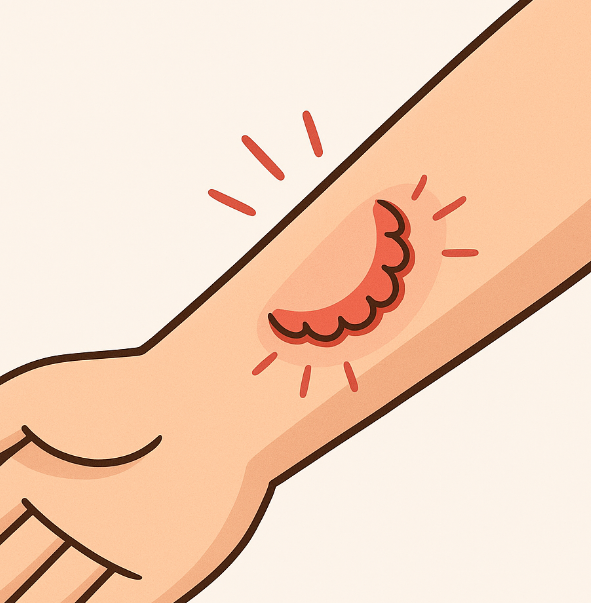
It starts with a moment of conflict—a heated argument, a domestic dispute, a fight that escalates too quickly. At a small clinic in the Volta Region of Ghana, a young man arrives with a deep injury on his arm. He’s embarrassed and reluctant to explain what happened. The nurse knows the pattern: the wound isn’t from an animal. It’s a human bite.
While human bite injuries rarely make global headlines, they quietly reflect deep social, economic, and interpersonal dynamics. A new study from the Volta Region reveals a trend that public health leaders can’t ignore: human bite injuries are rising—and concentrated among young adults and men.
This isn’t just a medical issue. It’s a window into community conflict, gender dynamics, domestic violence, crowding, and the limits of surveillance systems.
Why Look at Human Bites?
Human bites might seem rare or even unusual, but globally, they’re the third most common type of bite injury after dogs and cats. They can also be more infectious due to the high bacterial load in the human mouth. Yet they’re under-studied, under-reported, and rarely tracked with the detail given to other injuries.
In Ghana, research has focused mostly on orofacial injuries—often tied to interpersonal violence, intimate partner conflict, or rivalry. This new analysis is the first region-wide review of human bite injuries across the Volta Region.
What the Study Found (2019–2023)
Between 2019 and 2023, 931 human bite injuries were reported in the region’s health facilities. Incidence increased over time, peaking at 12.0 per 100,000 in 2021 and remaining elevated through 2023.
fpubh-13-1575617
Who is most affected?
- 58% of victims were male
- 41% were aged 18–34, with risk peaking at ages 18–19
- Children under 5 represented 7% of cases
fpubh-13-1575617
In relative risk terms, young adults were more than twice as likely to experience bite injuries than children aged 0–4. Men were 27% more likely than women to be victims.
Where are cases concentrated?
Mapping shows the highest incidence in:
- Ketu North (consistently the top district)
- South Dayi (highest incidence in several years)
fpubh-13-1575617
These are areas with larger populations, border crossings, mobility, and historically documented community tensions—all factors that increase interpersonal conflict.
Zero deaths were reported, but infection risk remains high.
Why Are Human Bite Injuries Increasing?
The study cannot determine exact causes, but several indicators emerge:
1. Rising domestic and intimate partner violence
Volta Region is among the top three regions in Ghana for domestic violence. Survey data show an increase from 34.7% in 2008 to 40.3% in 2022 among women ages 15–49 reporting violence.
2. Social conflicts and community tensions
The region has active and historical community disputes—some ongoing for decades.
3. Crowded living conditions and mobility
Cross-border trade, dense markets, and migration patterns increase opportunities for conflict.
4. Young adult social dynamics
As the study notes, young adults are at the age where they form intimate relationships, engage in competition, and navigate high-conflict environments.
5. Surveillance improvements
More consistent reporting in DHIMS-2 may also reflect improved data capture
Understanding the Surveillance Gap
One of the most important findings is what the available data cannot tell us. The DHIMS-2 system records only age, sex, district, and year of report. It does not capture:
- where on the body the bite occurred
- whether the aggressor was known
- the circumstances of the conflict
- infection outcomes
- treatment
- recurrence
This limitation makes it hard for public health teams to identify root causes or evaluate the burden of complications—especially infections, scarring, disability, or mental health impacts.
What This Means in Practice
For public health officials, local leaders, NGOs, and health workers, the findings point to actionable next steps.
Strengthen Injury Surveillance Systems
- Add variables on mechanism of injury, relationship to aggressor, anatomical site, treatment, and complications.
- Train frontline staff on consistent reporting.
Integrate Bite Injuries into Violence Prevention Programs
- Recognize human bites as a marker of interpersonal conflict, often domestic or community-based.
- Include bite injury data in gender-based violence monitoring.
Target Prevention Toward Young Adults
- Conflict-resolution education
- Safe relationship skills training
- Community violence-interruption strategies
Develop Local Awareness Campaigns
- Educate communities on first aid for bite wounds
- Reduce stigma around seeking medical care
- Highlight the real infection risks
Cross-border and Market-Area Interventions
- Work with cross-border traders, transport hubs, and market associations where conflict risk may be higher.
What’s Next? Barriers & Opportunities
Barriers
- Limited surveillance fields
- Under-reporting of interpersonal violence
- Social stigma around disclosing the true cause of injury
- District-level capacity gaps
Opportunities
- Integrating violence-prevention with primary care
- Using human bite injuries as an indicator of social stress
- Conducting qualitative or hospital-based follow-up studies
- Engaging traditional leaders and community mediators
Open Questions for Readers
- How might your health department improve injury surveillance to capture social context—not just medical details?
- Where in your community do you see opportunities for early conflict-resolution interventions?
- Does this data shift how you think about interpersonal violence and its public health impacts?