Urgent Legal Safeguards Needed for the Use of AI in Healthcare
The Accelerated Integration of AI in Healthcare: A Paradigm Shift
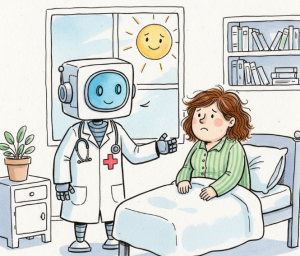
Healthcare is undergoing a paradigm shift with the accelerated integration of artificial intelligence (AI). Various health systems worldwide are rapidly adopting AI technologies to enhance clinical decisions, diagnostics, and patient outcomes. However, amidst this advancement, a critical need emerges—the establishment of concrete legal safeguards to protect patients and health workers from potential AI-related risks.
A recent report by the United Nations highlights the urgency of implementing basic legal safety nets as the use of AI in healthcare accelerates. This call to action aims to ensure that patients are adequately protected, and that the ethical, privacy, and bias challenges associated with AI are meticulously addressed.
Understanding the Benefits and Risks of AI in Healthcare
AI holds the potential to revolutionize healthcare by providing accurate diagnoses, predicting patient outcomes, and personalizing treatment plans. Algorithms can analyze vast amounts of data to identify patterns that would otherwise be overlooked, offering insights that can save lives.
However, the downside cannot be ignored. Concerns about the accuracy of AI algorithms, potential biases in data, privacy breaches, and accountability issues present significant challenges. Without proper regulation, there is a risk of AI systems causing harm, either through misdiagnosis or by exacerbating existing health disparities.
The Need for Robust Legal Frameworks
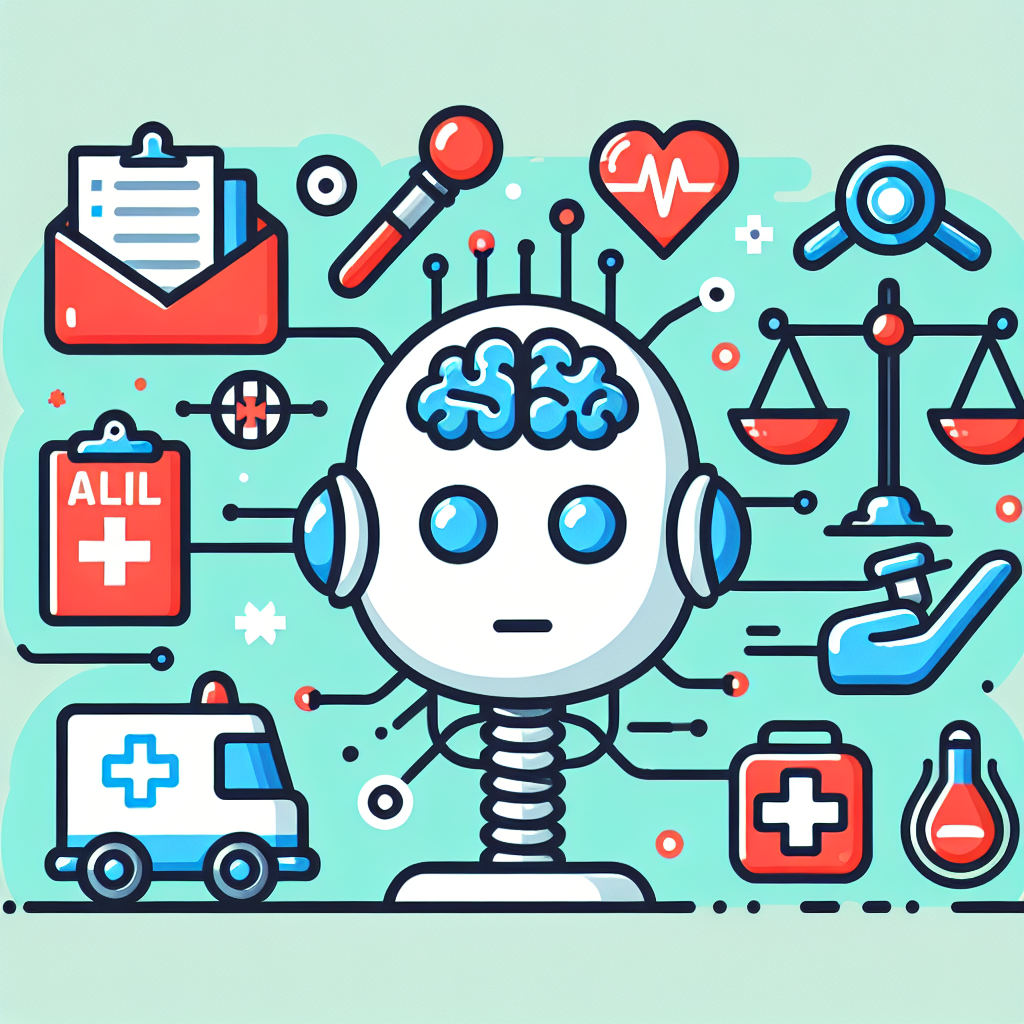
The integration of AI into healthcare requires robust legal frameworks that balance innovation with protection. These frameworks must encompass:
- Patient Privacy: Ensuring that AI systems comply with data protection regulations to safeguard personal health information.
- Bias Mitigation: Implementing checks to prevent AI systems from perpetuating or amplifying biases present in training data.
- Accountability Standards: Establishing clear accountability for AI-driven clinical decisions to protect both patients and providers.
- Ethical Guidelines: Developing comprehensive ethical guidelines to govern the deployment of AI in clinical settings.
Global Call for Action
The call from the United Nations emphasizes a global approach to developing and implementing these legal safeguards. International collaboration can lead to the creation of standardized regulations that transcend borders, ensuring that AI technologies are harnessed safely and effectively worldwide.
The risks are not hypothetical. Recent examples demonstrate AI systems providing erroneous recommendations in clinical scenarios, highlighting the potential dangers of unchecked AI applications. For instance, reports indicate research into molecules tackling Alzheimer’s, showcasing innovation that requires rigorous testing and adherence to safety protocols.
The Role of Regulatory Bodies and Policymakers
Regulatory bodies and policymakers must prioritize the establishment of guidelines that are flexible enough to accommodate rapidly evolving technologies yet stringent enough to maintain patient safety.
Recent initiatives, such as the UK’s investment in AI to combat drug-resistant infections, illustrate the potential of AI in addressing critical health challenges. However, these initiatives must be coupled with legislation that promotes responsible AI use.
Conclusion: A Path Forward
As AI continues to reshape the healthcare landscape, the adoption of robust legal frameworks becomes not only a priority but a necessity. Ensuring the safe and equitable deployment of AI will require interdisciplinary collaboration, transparency, and ongoing oversight.
The dialogue surrounding AI in healthcare must remain dynamic, evolving to address new challenges as they arise. Failure to do so could jeopardize the trust in AI’s ability to contribute positively to public health. By taking action now, we can harness the full potential of AI while safeguarding the core values of healthcare—patient safety and equitable access.
For further insights into the integration of AI in healthcare and its regulation, explore the full reports and studies from trusted scientific sources.