Why Health Workers Still Beat Influencers in Pregnancy Care
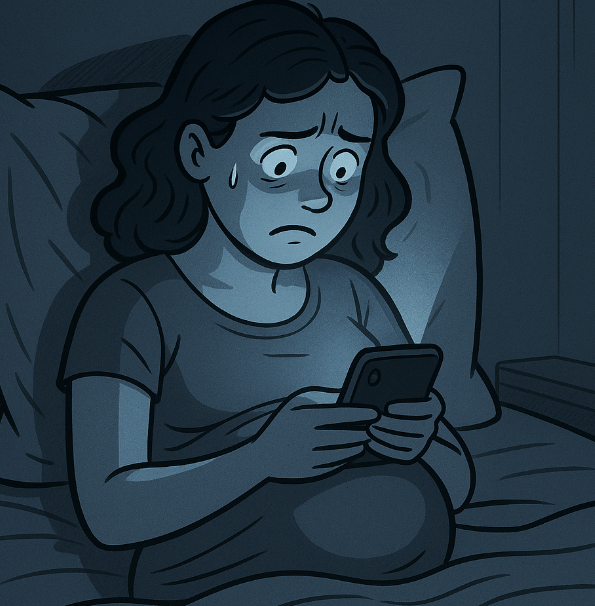
At 3 a.m., a first-time mother scrolls through Instagram, comparing posts on prenatal vitamins and morning-sickness teas. Her midwife appointment is still two weeks away, and the online opinions couldn’t be more contradictory. “Freeze your ham—it’s fine,” says one influencer. “Never eat cured meat,” warns another.
She’s not alone.
A new qualitative study from the University of Granada examines precisely how pregnant women make sense of this influx of information—and what it implies for public health professionals seeking to promote healthy lifestyles in the digital age.
The Study at a Glance
Researchers interviewed 25 pregnant women in Spain, ranging in age from the early 20s to the mid-40s, representing diverse educational and income levels. Using Bandura’s self-efficacy theory and the health belief model, the team analyzed how women find, assess, and act on health information during pregnancy.
Three key questions guided the research:
- Which sources do pregnant women trust most?
- How do they evaluate reliability and relevance?
- How does information influence healthy behaviors—like diet, sleep, and physical activity?
What Women Said
1. Midwives and Doctors: Still the Gold Standard
Despite the flood of online content, healthcare professionals continue to be the most trusted guides. Pregnant women valued personalized, empathetic advice. One participant said,
“They’re the ones I trust the most. The recommendations are tailored specifically to me.”
That trust, however, is tempered by limited access. Some participants mentioned waiting weeks for appointments—creating a window for confusion and misinformation to creep in.
2. The Internet: Fast, Accessible—and Confusing
Every participant used the internet or social media for information about pregnancy. Yet most described it as a double-edged sword—immediate but unreliable.
“On one network, moms say to eat certain foods; on another, they say the opposite. It throws me off. I don’t know what’s right,” one woman said.
Still, many praised social media accounts run by verified professionals. They appreciated quick, visual content—especially early in pregnancy, when appointments are scarce.
3. Family and Friends: Familiar but Biased
Mothers, grandmothers, and sisters remain informal advisors. Yet women were cautious: “Each pregnancy is different,” said one participant. Many used family input as emotional support rather than medical guidance.
4. Lifestyle Shifts: Eating Better, Moving More, Sleeping Less
Across interviews, women described pregnancy as a turning point for health habits.
- Nutrition was top of mind—most tried to “eat for two” responsibly, emphasizing balanced meals and reduced caffeine.
- Exercise ranged from light walking to modified CrossFit routines, often driven by a desire for physical and emotional well-being.
- Sleep and mental health were harder to manage, with many reporting insomnia and anxiety, especially among working mothers or those caring for other children.
Key Insight Box
Pregnancy health information works best when the three supports align:
- Professional guidance (midwives, nurses, OB-GYNs)
- Digital literacy (skills to filter online misinformation)
- Social reinforcement (partners and families modeling healthy habits)
What This Means in Practice
For local health departments, clinics, and public health educators, the study carries clear implications:
- Bridge the appointment gap. Early pregnancy can feel like an “information desert.” Providing trustworthy digital resources between visits could prevent misinformation from taking root.
- Develop verified digital platforms. Participants wanted a centralized app or portal endorsed by public health authorities—easy to use, visually appealing, and backed by professionals.
- Train for digital empathy. Midwives and clinicians should anticipate online confusion. A simple question like, “What have you read or heard online?” can open critical conversations.
- Include families. Partner and family involvement boosted adherence to healthy behaviors—from shared walks to supportive meal planning.
- Prioritize equity. Lower-income or non-native participants may have less access to credible sources or private prenatal care. Digital tools must meet them where they are.
The Bigger Picture: Digital Health and Trust
The findings echo a global trend: as public health becomes more digital, trust becomes the new currency. The study shows that even digitally savvy women crave validation from real people. Misinformation thrives in the space between expertise and accessibility.
Public health messaging must therefore speak the language of immediacy—without sacrificing accuracy. Verified social media content, short videos from trusted midwives, and accessible, multilingual apps could make the difference between confusion and confidence.
Barriers and What’s Next
The researchers highlight several barriers that mirror challenges across public health communication:
- Time pressure limits the amount of personalized education clinicians can provide.
- Information overload erodes confidence in decision-making.
- Low digital literacy makes it more challenging to distinguish credible advice from influencer hype.
What’s next: The authors call for public health agencies and universities to co-design interactive, evidence-based digital platforms, ideally including live chats or AI-supported Q&A features moderated by real clinicians.
Open Questions for Readers
- How might your agency help expectant parents identify trustworthy digital sources?
- Could your team partner with maternity clinics to create a shared “one-stop” hub for pregnancy health information?
- What training do your staff need to engage meaningfully with patients’ online habits?
The Takeaway
Pregnant women are not passive recipients of advice—they are active information seekers navigating a complex ecosystem of voices. The study reminds us that the battle for accurate health information isn’t just online—it’s in every waiting room, search bar, and feed.
When public health professionals combine empathy with digital fluency, they don’t just counter misinformation—they strengthen trust, one click at a time.