
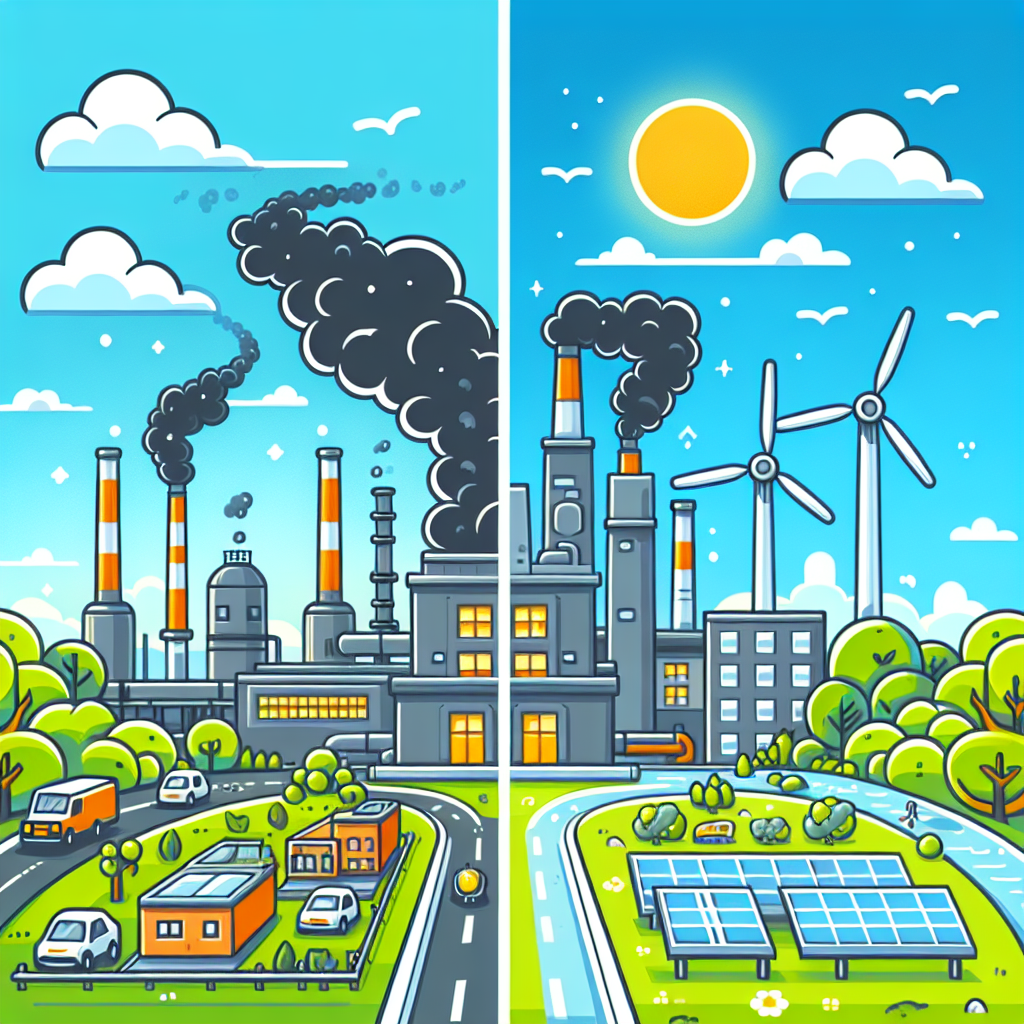
Air Pollution: The Threat to Public Health
Air pollution is still a pressing public health issue, with its detrimental impacts being felt globally. According to the World Health Organization, exposure to air pollution is a significant risk factor for a variety of health conditions, ranging from lung and heart diseases to diabetes and cancer.
The Health Impact of Air Pollution
Air pollutants such as particulate matter (PM), ozone, nitrogen dioxide, and sulfur dioxide have been shown to increase the risk of respiratory and cardiovascular diseases. The U.S. Environmental Protection Agency (EPA) notes that these pollutants exacerbate asthma and chronic obstructive pulmonary disease (COPD) and can lead to increased hospital admissions and mortality rates across populations (EPA.)
The National Institute of Environmental Health Sciences emphasizes that high air pollution levels are linked to greater instances of cancer, as well as adverse effects on diabetes and obesity (NIEHS). Moreover, pregnant women, children, the elderly, and individuals with pre-existing health conditions are particularly vulnerable to the risks posed by air pollution.
Global and Local Trends
Globally, air quality is recognized as a critical determinant of health. For instance, the European Environment Agency identifies air pollution as the largest environmental health risk in Europe, contributing significantly to premature deaths and disease rates (EEA).
In developing countries, pollution from traffic, industrial emissions, and household fuels overwhelmingly contributes to poor air quality. These sources release harmful pollutants, leading to increased local health issues and exacerbating global climate change.
Innovative Solutions and Future Directions
Efforts to combat air pollution include technological innovations, policy implementation, and community health strategies. According to Harvard’s T.H. Chan School of Public Health, promoting clean air initiatives, reducing vehicle emissions, and enhancing urban green spaces are pivotal steps (Harvard)
- Technological Advances: The development of cleaner technologies and renewable energy sources plays a crucial role in reducing air pollution at its source. Encouraging the use of electric vehicles and investing in sustainable urban planning can mitigate air pollution.
- Policy Implementation: Governments can enact stricter air quality standards and monitor pollutant levels to ensure compliance. Public policies aimed at reducing industrial emissions and promoting cleaner transportation options are essential for sustainable change.
- Community Engagement: Educating communities about the sources and health implications of air pollution enables individuals to contribute to cleaner air through personal choices and advocacy. Localized efforts, such as promoting public transportation, walking, and cycling, can significantly reduce urban pollution levels
Conclusion
Addressing air pollution is crucial for enhancing public health and environmental sustainability. By understanding its impacts and implementing robust solutions, societies can safeguard health, reduce healthcare burdens, and contribute to a cleaner planet for future generations. Collaborative efforts from individuals, communities, industries, and governments are necessary to combat this persistent threat, ensuring a healthier and more sustainable future for all.