Harnessing Games to Reconnect Youth with Urban Nature
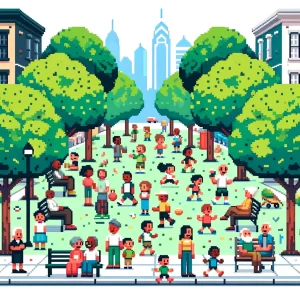
Imagine a university campus bustling with students, buried in their phones, oblivious to the whispering trees and chirping birds around them. This isn’t just an abstract scene; it’s a daily reality in many urban areas, where nature often fades into the background of our fast-paced lives. We overlook seemingly mundane greenery as digital engagement often overshadows our connection to the natural world. Yet, amid growing mental health challenges, could a simple game help young people reconnect with nature in the heart of the city?
Build Your Public Health Issue
Tell us a little about your work, and we’ll build a personalized issue with five things worth knowing.
Addressing Nature Disconnection
Nature exposure, though sometimes underrated, is vital to a healthy life. With benefits that span physical, psychological, and social dimensions, time spent in nature can significantly reduce stress, anxiety, and depression. However, with the rise of digital technology and sedentary lifestyles, especially in urban settings, many young people find themselves distanced from natural environments. This ‘extinction of experience’ has profound implications, particularly for urban youth whose interactions with nature are mostly shaped by curated, artificial landscapes.
The Study’s Quest
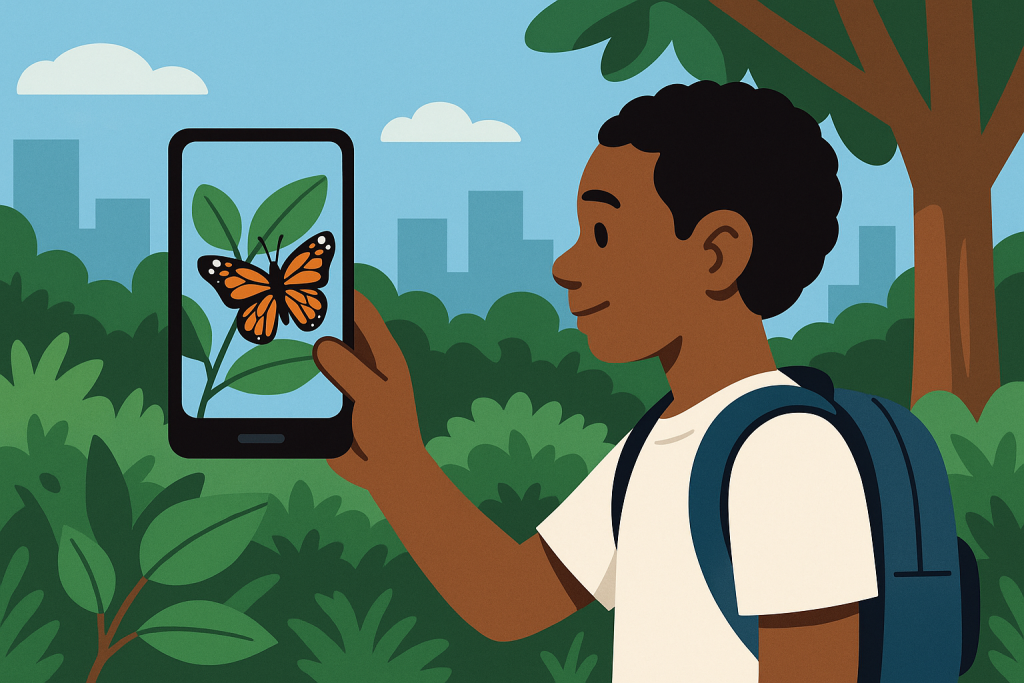
The researchers are exploring how a gaming intervention might rekindle urban youth’s interest in nature. By targeting university students, the study aims to assess whether a mixed-media game, City Safari, can effectively prompt participants to engage with and recognize the overlooked nature in their urban environment. The game encourages students to step outside and snap photos of urban nature, such as hidden parks or small patches of greenery, challenging the common view that nature exists only in remote or exotic settings.
Methodology: A Playful Exploration
Participants, students at McMaster University in Hamilton, Ontario, were divided into two groups: one played the City Safari game, while the other did not. Those involved in the game were tasked with capturing images of local nature as part of a ‘bingo photography’ challenge. Over two weeks, students completed nature-focused challenges as they explored their environment, reactivating their perception of everyday urban nature.
Furthermore, an innovative use of the photovoice method allowed participants to interpret and discuss their photos in interviews, providing insights into their interaction with nature.
Uncovering the Findings
The findings of this study could transform how we view urban environments. By demonstrating that nature is not absent but unseen in cities, this intervention highlights the therapeutic potential hidden in plain sight. The real benefit comes not just from the game’s playful engagement but in redefining our urban nature encounters, which contributes to mental well-being by encouraging awareness and appreciation.
What This Means in Practice
For Public Health Practitioners: Encouraging similar interventions could help promote mental well-being among urban youth by fostering healthier lifestyles through nature interaction.
For Community and Educational Institutions: Collaborating to develop games or activities that integrate easily accessible natural experiences can enhance the community’s ecological well-being.
The Challenges Ahead
While promising, translating these findings into broader actions presents challenges. Issues such as funding, community engagement, and ensuring participant privacy in nature-driven activities are vital considerations. Moreover, differing urban landscapes mean that one game may not fit all, requiring adaptations to reflect local environments and needs.
A New Path Forward
Revisiting our opening scene: students, once indifferent to their leafy environment, now look around with renewed curiosity and connectedness, embracing the natural ally hidden in their cityscape. This study could redefine how educators and policymakers bridge the gap between urban living and nature, potentially paving the way for more health-supportive urban planning.
As public health leaders, how can we take cues from this study to foster a holistic understanding of nature’s role in urban environments? What partnerships with tech developers might advance this promising intersection of play and health?