The Epidemic of Workplace Stress
In recent years, workplace stress has emerged as a significant public health challenge affecting millions globally. The onset of the COVID-19 pandemic exacerbated pre-existing stressors in the workplace, leading to increased anxiety, burnout, and other related health issues.
According to a report by the International Labour Organization, more than 840,000 people die each year from health conditions linked to risks such as long working hours, job insecurity, and workplace harassment. In this article, we will explore the multidimensional impacts of workplace stress and potential strategies to mitigate its effects.
Understanding Workplace Stress
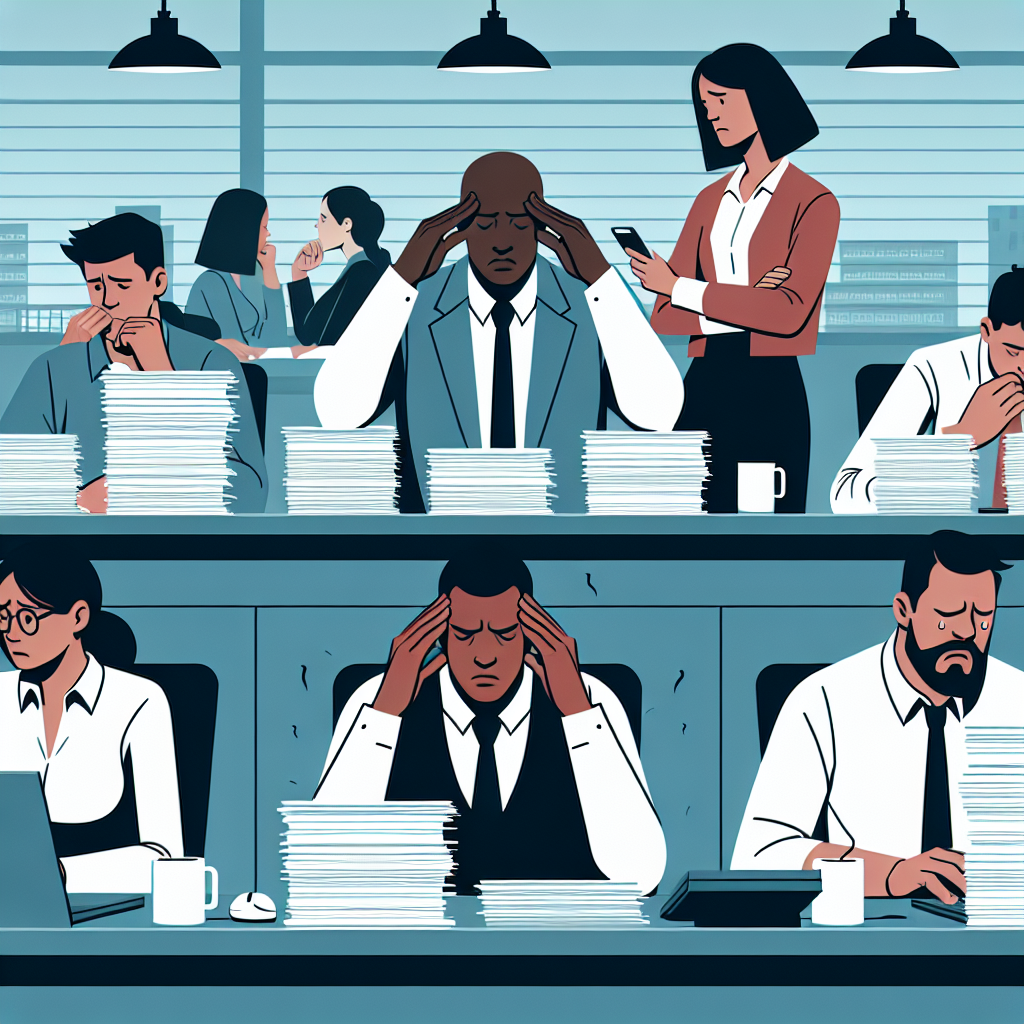
Workplace stress, defined as the harmful physical and emotional responses that arise when job requirements do not align with workers’ resources or needs, is a pervasive issue. It manifests in various forms, including physical symptoms like headaches or insomnia and psychological effects such as anxiety or depression. Stress can also impair job performance, reduce workplace satisfaction, and increase absenteeism and turnover rates.
Health Implications of Workplace Stress
Chronic exposure to stress in the workplace can lead to serious health problems. Prolonged stress can initiate a cascade of effects, primarily affecting the cardiovascular, immune, and nervous systems. According to the BBC, stress is linked to the development of hypertension, heart disease, and obesity, which are significant contributors to global mortality rates. In severe cases, stress can lead to mental health disorders such as depression and anxiety, requiring professional intervention.
The Role of Poor Infrastructure and Work Environment
Poor workplace infrastructure, such as inadequate facilities and resources, contributes significantly to stress. This is often exacerbated by excessive workloads, unrealistic deadlines, and minimal control over work processes. Environmental factors, including noise pollution, physical hazards, and lack of ergonomic furniture, further aggravate stress levels among employees.
The Economic Impact
Workplace stress not only affects employees’ health but also has a significant economic impact. It leads to decreased productivity, which subsequently affects the profitability and efficiency of organizations. For instance, absenteeism due to stress-related illnesses incurs massive financial losses for businesses. A comprehensive The Scientist feature highlights how unchecked workplace stress can lead to higher healthcare costs and increased insurance claims, burdening both employers and healthcare systems.
Mitigation Strategies
Implementing Workplace Wellness Programs
Employers can introduce wellness programs focused on stress reduction techniques, such as yoga, meditation, and mindful exercises. These activities promote mental well-being and resilience among employees. Encouraging regular breaks and facilitating open communication about stressors are vital in managing occupational stress.
Policy Reforms and Support Systems
Governmental and organizational policies must evolve to protect employee well-being. This can include implementing flexible working hours, remote work options, and establishing clear boundaries between work and personal life. Support systems, such as counseling services and helplines, are crucial in providing immediate assistance to stressed workers.
Conclusion
The growing evidence underscores the pressing need for comprehensive strategies to address workplace stress effectively. By fostering a supportive work culture and implementing targeted interventions, it is possible to create healthier work environments. As we confront the public health challenges posed by workplace stress, it is imperative for businesses, policymakers, and health professionals to collaborate towards sustainable solutions.
For further reading on stress management and workplace health, check out this insightful piece on Scientific American.