
The Mental Health Crisis in Lebanon Amid Conflict: A Public Health Perspective
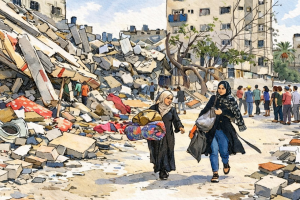
Recent reports from the United Nations highlight a significant public health crisis in Lebanon, where the country’s healthcare system is overwhelmed due to ongoing conflicts. The World Health Organization (WHO) describes the current situation following recent airstrikes as ‘catastrophic,’ placing immense strain on mental health services already in short supply.
The Impact of Conflict on Mental Health
Conflicts and wars have long been understood to exacerbate mental health issues among affected populations. The trauma endured by individuals during such times can lead to a variety of mental health disorders, including post-traumatic stress disorder (PTSD), anxiety, and depression. In Lebanon, where facilities are dwindling, the challenge is particularly acute. The WHO reports that mental health resources are scarce, and the need for psychological support services is dire..
A Strained Healthcare System
Even before the recent escalation, Lebanon’s healthcare system was struggling to cope with financial constraints and political instability. The WHO’s emergency funds have been crucial in keeping essential services running, but they are not sufficient to cover the growing mental health needs of the population
The Role of International Aid
The international community’s response, including financial support from the UN, is pivotal in alleviating some of the pressure. However, there is an urgent need for more targeted mental health interventions. Programs focused on building resilient communities are critical, yet they require consistent funding and support from global partners.
Mental Health on the Global Agenda
The situation in Lebanon is a stark reminder of how mental health is a public health priority that requires immediate attention in conflict zones. According to a recent WHO report, new diagnostic tools are being developed to cater to populations in similar crises, aiming to enhance the delivery of mental health care even under constrained circumstances.
Addressing Stigma and Access
A significant barrier to mental health care in Lebanon stems from societal stigma and limited access to services. Culturally sensitive approaches tailored to the local context are essential for encouraging individuals to seek help. Moreover, telehealth solutions have emerged as potential game-changers, offering remote mental health support where physical infrastructure is lacking.
Lessons for the Future
Lebanon’s scenario paints a broader picture of the global health landscape, emphasizing the need for comprehensive strategies that integrate mental health into emergency response frameworks. Learning from these experiences can guide international health bodies in developing more adaptive and sustainable models for future crises.
Efforts to aid Lebanon are ongoing, but the path ahead demands coordinated actions across multiple sectors. As the world continues to grapple with the aftereffects of conflicts, the prioritization of mental health care will be key in ensuring holistic recovery and ongoing stability.