Transforming Teen Citations into Teachable Moments
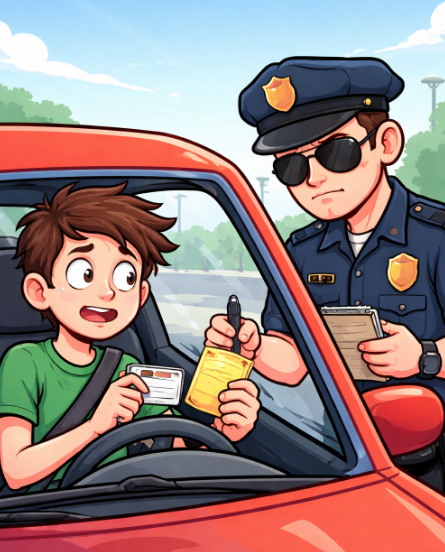
A traffic stop can be a turning point for many families. Imagine a mother receives a call that her teenage son has been cited for speeding. In that instant, amidst the rush of emotions, there is a pivotal choice: to react with anger or to see this moment as an opportunity to teach and guide.
Teen Traffic Citations: A Public Health Concern
Teen drivers are at a disproportionately high risk of car crashes, which are among the leading causes of death for this age group. Despite the safety nets of graduated driver licenses, teens within their first months of solo driving face compounded challenges from inexperience and developmental factors, especially after a traffic citation
Such citations, while stressful, offer a teachable moment for families. Recognizing this, researchers launched ProjectDRIVE, a novel intervention aiming to transform these incidents into catalysts for behavioral and communication changes between parents and teens.
The Study at a Glance
The study engaged 38 parents who participated in ProjectDRIVE, which integrates behavioral and technological approaches to improve teen driving habits after citations. Using technology-driven in-vehicle feedback and parent communication training, the project fostered awareness and dialogue, aiming to mitigate risky driving behaviors.
Key Findings: The Power of Perspective
From Anger to Accountability
Parents often initially react with frustration upon learning of their teen’s traffic violation. However, many parents reported reframing this emotion, using the citation to emphasize responsibility and accountability in driving. As one parent reflected, ‘The idea being that he’s got a really serious responsibility as a driver…’
By shifting focus from punishment to constructive learning, parents helped teens understand the broader consequences of their actions, such as the financial implications of increased insurance rates or the importance of defensive driving.
ProjectDRIVE: Boosting Communication and Driving Awareness
Through structured interventions, ProjectDRIVE successfully re-established parent–teen communication pathways often neglected post-licensure. The program’s combination of real-time driving feedback and motivational training enabled parents to facilitate open, less-confrontational discussions about driving safety.
The real-time feedback served as an essential tool, providing teens with an objective view of their driving habits that corroborated parents’ warnings without coming across as nagging. This so-called ‘third-party voice’ reinforced safe driving practices more effectively.
Real-World Applications: What This Means in Practice
- Health departments could use similar interventions to target specific behavioral risks among youth, extending beyond driving.
- Community programs should consider partnering with judicial systems to maximize the reach and impact of post-incident interventions.
- NGOs could leverage data-driven approaches to ensure transparency and facilitate parent-teen engagement.
Limitations and Barriers
Many parents in the study were white and college-educated, which might limit the generalizability to more diverse groups. Additionally, integrating such interventions into broader systems, such as schools or driving programs, requires more robust advocacy and logistical planning.
The core challenge lies in transitioning from pilot success to wide-scale implementation, where factors such as cost, stakeholder buy-in, and technical infrastructure need to be addressed.
What’s Next? Future Pathways and Open Questions
For ProjectDRIVE to realize its full potential, embedding its practices into existing social structures is paramount. This includes partnerships with schools, insurance companies that offer premium discounts for program participation, and government-led campaigns to emphasize the effectiveness of post-citation intervention.
Reflective Questions
How might your agency adopt these strategies effectively in localized contexts? Could such programs address other risky teen behaviors? What financial or technical barriers could impede their implementation?
Transforming a moment of crisis into a catalyst for change requires intent and action. As stakeholders in public health, the challenge is in our court: to apply these insights and build safer communities for tomorrow’s drivers.