Wearables Boost Strength in Seniors
A New Approach at the Senior Center
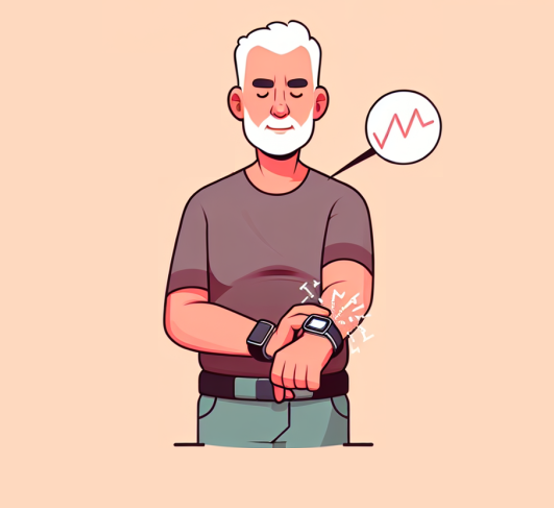
Maria, a volunteer at a community senior center, noticed a change among the attendees. Equipped with activity trackers, seniors began to engage more enthusiastically in their weekly exercise sessions. They weren’t just moving more; they were moving better. Maria saw firsthand the power of technology in promoting health and vitality among older adults. But what does the science say about this trend?
Why Older Adults’ Mobility Matters
Globally, the aging population is growing, bringing unique health challenges such as reduced muscle strength and balance issues. These challenges can lead to decreased independence, reduced social participation, and increased risk of falls. Wearable electronic devices, such as smartwatches and fitness trackers, provide a practical platform for exercise interventions, helping seniors track their progress and set goals.
The Study
Published in Frontiers in Public Health, the systematic review and meta-analysis evaluated the effectiveness of wearable device-based exercises for lower-limb strength and balance in older adults. Researchers examined 13 two-arm studies and 4 single-arm studies, totaling 611 participants aged 60 and above.
Findings
The two-arm studies showed significant improvements in both lower limb strength (SMD = −0.60) and balance (SMD = −0.43). However, notable variability in outcomes was observed across different studies. Single-arm studies echoed these findings, showing improvements in lower limb strength (SMD = 0.51).
While improvements in muscle strength and balance were evident, the evidence was less conclusive on enhancements in endurance, cognitive function, and mental health. Given the high heterogeneity across studies, these findings should be interpreted with caution.
What This Means in Practice
- Adopt Wearables: Local health departments and community centers should consider incorporating wearables into exercise programs for seniors.
- Focus on Mobility: Prioritize interventions that enhance strength and balance for optimal results.
- Encourage Consistency: Wearables provide the tech boost needed to maintain and monitor consistent exercise routines.
Future Directions and Challenges
What’s Next?
Future research should address the role of personalization in wearable-supported exercises. Specifically, studies should compare tailored feedback systems with standard use to assess efficacy. Researchers should also pursue long-term studies to gauge sustained benefits.
Barriers and Constraints
Financial constraints and technology acceptance remain significant barriers. Wearable devices need to be cost-effective and user-friendly to enhance adoption among older adults. Furthermore, addressing the digital divide can bolster usage rates and positive outcomes.
Open Questions
- How can local policies support the integration and affordability of wearables for seniors?
- What training can help seniors comfortably use wearable devices?
- How might these findings inform broader public health initiatives targeting aging populations?
Invite Your Insights
As public health professionals and policymakers, how might your community integrate these insights into current programs? Consider the potential barriers you might face — and the individuals you might empower along the way. Your strategies and stories can make a significant impact.