
The Future of Plain Language Summaries
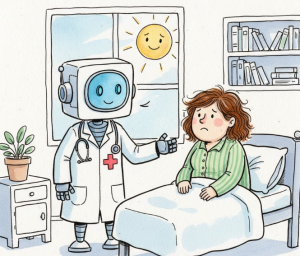
Imagine a health journal editor, faced with the challenge of democratizing access to complex medical research. The stakes are high: how do we ensure that everyone, from policymakers to patients, understands the latest health findings?
This scene sets the stage for a critical discussion of Plain Language Summaries (PLSs) — a tool for making scientific findings accessible to a broader audience.
Why Plain Language Summaries Matter
Plain Language Summaries have gained traction in health and medical journals as a means to bridge the gap between complex research and accessible content. Despite their adoption since the 1990s, understanding of how editors view these summaries remains limited, according to a study published in PLOS One. This research aims to examine journal editors’ perspectives, uncovering the opportunities and barriers they face in implementing PLSs.
The Core Challenges
Journal editors often find themselves at the intersection of aspiration and reality. While many editors embrace PLSs’ potential to reach non-expert audiences, practical barriers persist. A standout theme from the interviews was the clash between editors’ positive intentions and the practicalities of implementation.
‘Having a broader readership can only help a journal,’ noted one editor, highlighting the potential reach of PLSs.
Yet, challenges such as resource limitations, lack of readership data, and role ambiguity plague the production line of PLSs.
Opportunities with Technology and Innovation
With the rise of technology, some editors remain cautiously optimistic about using artificial intelligence (AI) to support PLS development. AI could help overcome skill and resource barriers, though human oversight is considered essential for maintaining quality and accuracy.
‘People are using AI to generate infographics of their content,’ one editor mentioned, suggesting a potential frontier for making PLSs even more engaging.
What This Means in Practice
- Local Health Departments: Engage with journals to ensure summaries of critical research are accessible to your communities.
- NGOs and Community Programs: Advocate for PLS in publications relevant to your work to ensure essential information is communicated effectively.
- Policymakers: Use PLSs as a resource for informed decision-making that requires diverse stakeholder engagement.
Enhancing PLS Visibility and Impact
Editors expressed a need for novel formats beyond text-based summaries, such as podcasts and infographics, to cater to diverse audiences, including non-English speakers and those with cognitive challenges.
Moreover, innovative dissemination channels, such as social media and partnerships with consumer groups, could boost reach and utility.
‘One of the things we have considered is how to distribute articles on social media,’ an editor explained, capturing the essence of modern communication strategies.
How This Week in Public Health Is Putting Plain Language into Practice
At This Week in Public Health, the challenge identified in this study is exactly the problem we set out to solve.
Many journals now recognize the importance of Plain Language Summaries. But producing them consistently, distributing them widely, and ensuring they reach practitioners and communities remains difficult. Editors face real constraints: limited staff time, uncertainty about audience demand, and the technical skill required to translate dense research into clear, engaging language.
That’s where platforms like This Week in Public Health come in.
Every week, our editorial and AI-assisted system reviews newly published research from across the public health literature. Instead of expecting busy professionals to read dozens of full academic papers, we transform the most relevant studies into clear, practical summaries designed for real-world use.
Our approach builds on the core principles of Plain Language Summaries but pushes them further:
1. Translating Evidence into Action
Rather than simply restating the results of a study, our summaries highlight:
- What the research found
- Why it matters for public health practice
- What local health departments, nonprofits, and policymakers can do with the information
This turns research into something that can actually inform decisions.
2. Scaling Plain Language with Technology
The PLOS One study highlights both the promise and caution surrounding AI. At This Week in Public Health, we use AI as a supporting tool, not a replacement for human judgment.
AI helps us:
- rapidly screen new studies
- extract key findings
- draft early summaries
Human editorial oversight then ensures accuracy, context, and relevance.
This hybrid model allows us to produce high-quality summaries at a scale that journals alone often cannot support.
3. Expanding Reach Beyond Academia
Another barrier identified by journal editors is dissemination. Even when journals create Plain Language Summaries, they often remain buried behind paywalls or on journal websites that practitioners rarely visit.
This Week in Public Health addresses that problem by distributing summaries through:
- email newsletters
- social media
- curated topic feeds
- AI-powered search tools
This helps ensure that research findings reach the people who can use them — health departments, nonprofits, community advocates, and policymakers.
4. Building an Evidence Infrastructure
Ultimately, the goal is bigger than summaries.
Platforms like This Week in Public Health aim to create an evidence infrastructure where scientific research becomes a living resource for communities and practitioners.
Plain Language Summaries are a critical part of that ecosystem — but they work best when combined with:
- curated research discovery
- AI-supported synthesis
- practical interpretation for real-world use
In that sense, the future of Plain Language Summaries may not lie solely within journals. It may lie in new translation platforms designed specifically to bridge science and practice.
And that bridge is exactly what we’re building.
What’s Next & Barriers
Future pathways highlight the importance of collaboration between journals, publishers, and authors to streamline PLS production. Rapid technological advancements provide a glimpse into what could be achieved with the right resources and commitment.
Potential barriers lie in the political, financial, and structural domains where realignment of resources may be necessary. Moreover, achieving balance in the use of AI while safeguarding data and content quality remains a challenge.
Call to Reflect and Engage
As we ponder the future of PLSs, several questions arise for stakeholders to consider:
- How might your organization better incorporate these findings locally?
- What resource constraints could hinder the implementation of PLSs in your context?
- Does this research challenge your assumptions about the accessibility of scientific communication?
The need for PLSs is clear, but so is the complexity of making them a universal feature of scientific publishing. As new pathways and technologies emerge, the dialogue around PLSs should evolve to keep pace with the dynamics of a changing world.