F.D.A. Faces Community Backlash Over Drug Denials
The U.S. Food and Drug Administration (F.D.A.) has been at the forefront of public health initiatives, playing a critical role in ensuring drug safety and efficacy. Recent events, however, have spotlighted the agency amid a storm of public dissent and policy scrutiny. At the center of this controversy is the F.D.A.’s decision to reject several promising drug candidates, particularly in rare diseases and genetic disorders.
Public Outcry and Rare Disease Advocacy
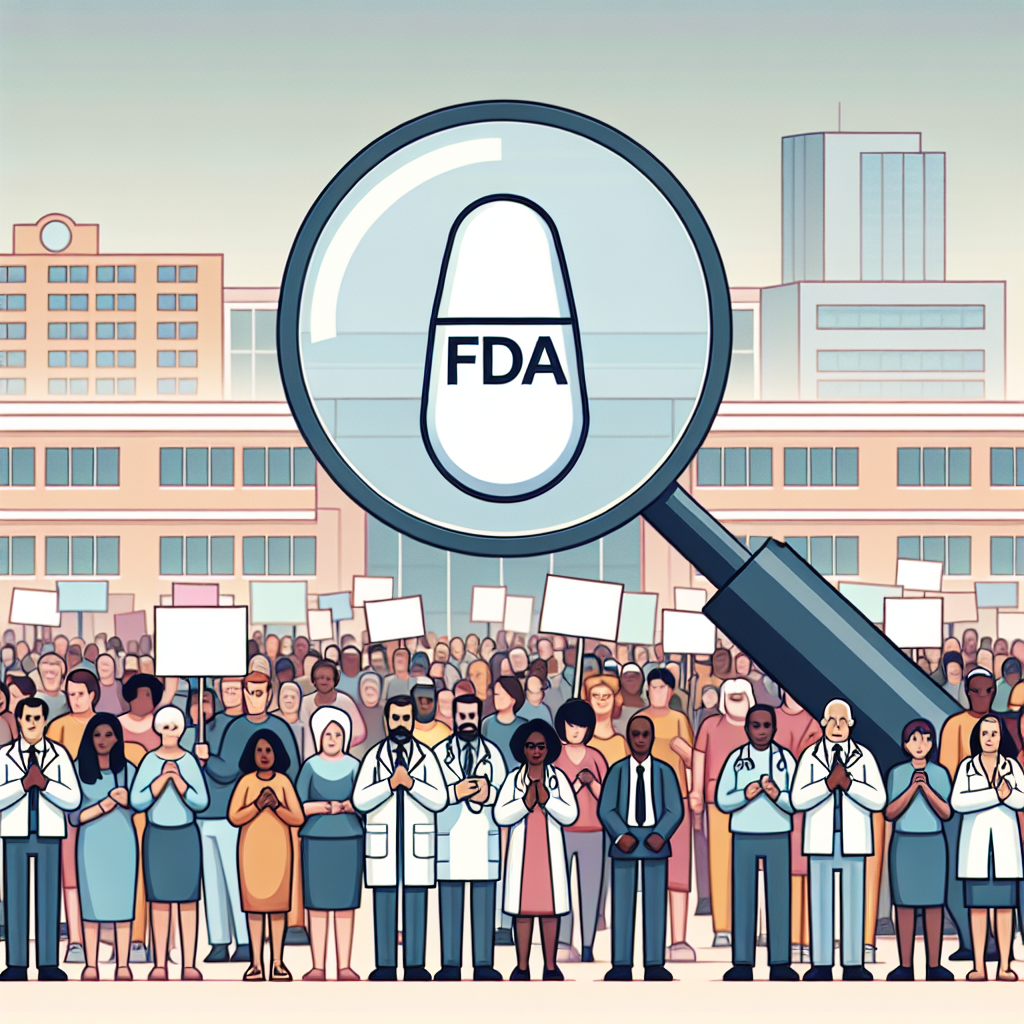
The F.D.A. faced a wave of criticism following its refusal to approve drugs intended for treating rare diseases. Communities impacted by conditions such as Dravet syndrome, a severe form of epilepsy, voiced their frustrations through advocacy groups and social media platforms. A recent development involving the drug zorevunersen showed significant promise by reducing seizures in children by up to 91%. Despite such findings, the decision to hold back approval has been met with dismay.
Vinay Prasad, an F.D.A. regulator, drew attention for overriding scientific consensus, posing a public-relations challenge for the agency (NY Times). These actions have fueled debates around transparency and accountability in regulatory decisions.
Balancing Safety with Innovation
Historically, the F.D.A.’s stance has balanced safety concerns with the need to foster pharmaceutical innovation. However, the agency’s rigorous standards have occasionally been perceived as barriers to innovative treatments reaching the market. This tension exemplifies the classic risk-benefit analysis upon which drug approvals hinge.
The challenge intensifies in the context of rare diseases and genetic treatments, where patient advocacy groups push for faster access due to limited treatment options. On the other side, the F.D.A. is tasked with safeguarding long-term patient safety—often requiring extensive data and rigorous clinical trials.
The Role of Public Sentiment in Policy Shifts
Public opinion plays a crucial role in shaping health policies. This influence is evident in recent F.D.A. decisions to implement faster review processes for new drugs without compromising scientific integrity (NY Times). Such moves are responses to pressures from advocacy groups demanding expedited access to potentially life-saving treatments.
‘Public pressure and patient advocacy have led to significant policy discussions within the F.D.A., highlighting the delicate balance between rapid drug approval and maintaining rigorous safety protocols.’
The Impact of Social Media and Communication
In the age of digital information, social media platforms have amplified the voices of patient groups and advocates, bringing unprecedented scrutiny to regulatory bodies. These platforms serve as powerful tools for patient communities to share experiences and influence discourse, thereby shaping public and regulatory perceptions.
Health officials are increasingly engaging with these modern channels for feedback, reflecting a shift towards inclusive policies that incorporate patient experiences and expectations. This approach not only democratizes drug approval processes but also ensures that patient needs are at the core of healthcare innovation.
Concluding Thoughts
The ongoing discourse surrounding the F.D.A.’s regulatory practices in dealing with drug approvals underscores the complex interplay between scientific rigor and public demand for timely healthcare solutions.
As healthcare innovations continue to advance, it becomes imperative for regulatory frameworks to evolve in tandem to ensure patient safety while fostering innovation. The role of public sentiment, amplified by advocacy and technology, will undoubtedly continue to shape the future of health policy and drug regulation.