When Science Stumbles: The Week’s Public Health Wake-Up Call
The Speed of Science—Broken or Brilliant?
This week brought to light an uncomfortable truth: even in 2024, the world of public health science is still grappling with the gap between rapid research and reliable results. Scientists and researchers, those we count on to illuminate the path forward, are showing cracks in their processes. Headlines surfaced revealing that some studies touted as breakthroughs were later found lacking in rigor or reproducibility. This isn’t just a minor hiccup; when public health depends on evidence that directly shapes policy and individual choices, shaky science can mislead millions and waste precious resources.
The urgency to accelerate scientific discoveries, fueled partly by pandemic pressures, has created a double-edged sword. Researchers are rushing to publish, often cutting corners that undermine the quality and equity of findings. This week’s revelations remind us that speed without careful peer review and transparency risks turning progress into setbacks. The question remains: how do we balance the need for swift answers with the imperative for sound science that serves all communities equitably?
Equity Gains Ground, But Science Must Catch Up
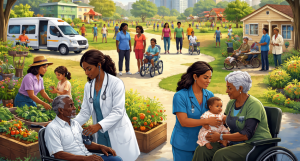
One encouraging theme this week is the persistent push for equity in public health research. Some scientists are doubling down on ensuring that studies represent diverse populations and tackle health disparities head-on. Researchers recognize that traditional approaches have too often sidelined marginalized groups, resulting in data that fails to capture the realities faced by many Americans.
Yet, the very systems built to sustain rigorous scientific inquiry sometimes resist this evolution. There’s a tension between entrenched research norms and the evolving demands for inclusivity and justice. Successful public health solutions hinge on equity-focused science — without it, policies risk widening health divides rather than closing them. This week’s discussion among researchers revealed growing awareness that equity can no longer be a footnote in study designs but must sit at the core. However, actualizing this shift requires systemic reforms in funding, training, and publication practices.
Building Resilient Systems: The Next Frontier
Beyond individual discoveries, this week’s spotlight on the challenges in research processes signals a larger need: strengthening the public health science ecosystem itself. Science doesn’t operate in a vacuum—it exists within complex systems involving institutions, funders, journals, and communities. When any part fails, the whole can falter. Researchers called for reforms that prioritize transparency, reproducibility, and accountability across the board. This includes revisiting metrics that reward quantity over quality, fostering multidisciplinary collaborations, and incorporating community voices early and often. Science must be a living system that adapts, learns from errors, and champions the well-being of all populations.
The promise of public health depends on these resilient systems, not isolated “breakthroughs” vulnerable to backsliding. In many ways, this week’s public health narrative underscores a simple yet profound lesson: science is only as strong as its processes and commitment to justice. As much as we seek quick fixes, the path forward demands patience, rigor, and equity at every step. Public trust, after all, hinges on the integrity of research that affects every person’s health and future.
If you want to keep up with the fast-changing world of public health, grounded in evidence and equity, be sure to subscribe and follow us. Each week, we bring you the critical stories, sharp analysis, and hopeful solutions shaping the health of communities across America.