
The 2026 State of the Union: What It Means for Health and Public Health
In his February 24, 2026, State of the Union address, President Donald Trump devoted significant attention to issues that directly affect health, public health systems, and the social conditions that shape well-being in the United States.
While the speech was framed around economic revival, border security, and national strength, it included several major claims and proposals related to health care costs, prescription drugs, Medicaid and Medicare, fentanyl, immigration and public safety, gender-affirming care, and energy policy.
For public health professionals, the key question is not whether these topics were mentioned. It is how they were framed, what evidence supports the claims, and what the long-term implications might be for population health.
Below is a closer look at the most significant health-related themes from the address.
1. Health Care Costs and the Affordable Care Act
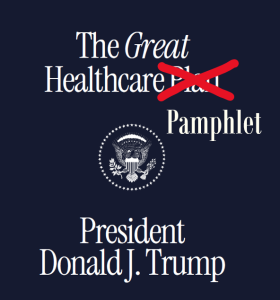
The President sharply criticized the Affordable Care Act (ACA), arguing that it enriched insurance companies and drove up costs. He proposed stopping “all payments to big insurance companies” and instead giving funds directly to individuals to purchase coverage. He also pledged to reinstate price transparency requirements for hospitals and insurers.
From a public health perspective, there are three key issues here:
First, cost vs. coverage. The ACA significantly reduced the uninsured rate over the past decade. Any move to dismantle its financing mechanisms without a clear replacement plan could increase the number of uninsured Americans. That would directly affect access to preventive care, chronic disease management, and emergency department utilization.
Second, direct-to-consumer subsidies. Redirecting funds directly to individuals sounds straightforward, but risk pooling is central to insurance markets. If healthier individuals leave regulated exchanges, premiums can rise for those with higher health needs. That is a classic public health concern: destabilizing coverage can increase disparities.
Third, price transparency. There is bipartisan agreement that health care pricing is opaque. However, research shows that transparency alone does not always reduce costs unless consumers have the power and incentives to shop effectively.
Public health impact: Potentially high, depending on how reforms are structured.
2. Prescription Drug Pricing and “Most Favored Nation”
One of the most concrete health proposals in the speech involved prescription drugs. The President claimed that under new “Most Favored Nation” agreements, Americans will now pay the lowest drug prices in the world and called on Congress to codify the policy.
Drug pricing is a major public health issue. High costs reduce medication adherence, especially for insulin, cancer therapies, infertility treatments, and mental health medications. Lower prices could improve health outcomes and reduce financial toxicity.
However, important policy questions remain:
- Does the policy apply to Medicare only or to private insurance?
- How will pharmaceutical companies respond?
- Will access be restricted if profit margins shrink?
Historically, attempts to tie U.S. drug prices to international benchmarks have faced legal and industry challenges. The public health benefit will depend on implementation and durability.
Public health impact: Potentially significant if sustained and broadly applied.
3. Fentanyl and Border Framing of Public Health
The President reported that fentanyl flow across the border is down 56 percent and framed immigration enforcement as a major health intervention.
Fentanyl remains one of the most pressing public health crises in the country. But public health experts generally emphasize a broader strategy:
- Harm reduction (naloxone distribution, safe consumption education)
- Medication-assisted treatment (buprenorphine, methadone)
- Mental health integration
- Social supports and housing stability
Border interdiction can affect supply, but addiction is driven by domestic demand, trauma exposure, economic instability, and treatment access barriers.
When drug policy is framed primarily through criminal justice or immigration enforcement, the risk is that we underinvest in treatment infrastructure and behavioral health systems.
Public health impact: Partial solution if paired with treatment expansion. Insufficient if enforcement replaces health services.
4. Medicaid, Medicare, and Social Insurance
The President pledged to protect Social Security, Medicare, and Medicaid.
These programs are foundational public health infrastructure:
- Medicare ensures access to care for older adults.
- Medicaid covers low-income adults, children, pregnant individuals, and people with disabilities.
- Medicaid expansion under the ACA is associated with reduced mortality and improved preventive care.
The critical question is fiscal sustainability. The speech also included promises of tax cuts, military expansion, and tariff-based revenue replacement for income taxes. If federal revenues decline, Medicaid funding could become vulnerable, even if rhetorically protected.
Public health impact: Dependent on budget realities.
5. Energy Policy and Public Health
The speech emphasized expanded oil and natural gas production, along with commitments to prevent AI data centers from raising electricity prices. Energy policy is health policy.
- Fossil fuel combustion contributes to air pollution.
- Air pollution is linked to asthma, cardiovascular disease, preterm birth, and premature mortality.
- Climate-related extreme weather events affect heat-related illness, displacement, and infectious disease spread.
Expanding fossil fuel extraction may temporarily lower fuel prices. But public health evidence strongly connects fossil fuel emissions to long-term health burdens.
Public health impact: Short-term affordability vs. long-term environmental health trade-offs.
6. Gender-Affirming Care and Youth Policy
The President called for banning states from allowing gender transition of minors without parental consent and criticized school-based social transitions.
Gender-affirming care is a highly debated area in medicine and public health. Major medical associations support evidence-based, developmentally appropriate care for transgender youth, often emphasizing multidisciplinary approaches and mental health support. Public health research consistently shows:
- Transgender youth experience higher rates of depression and suicide attempts.
- Supportive environments reduce mental health risk.
- Family acceptance is protective.
Any policy shifts must be evaluated in light of suicide prevention, mental health access, and parental rights considerations.
Public health impact: High stakes for youth mental health outcomes.
7. Crime, Immigration, and Health Framing
Throughout the speech, crime and immigration were presented as drivers of higher medical costs and insurance premiums. Public health research is clear that:
- Violence is a health issue.
- Trauma exposure affects long-term mental and physical health.
- Community safety supports well-being.
However, large bodies of criminological research show that immigrants, including undocumented immigrants, are not more likely to commit crimes than native-born citizens. Overgeneralized narratives can influence stigma, health care access, and community trust in public institutions.
Public health impact: Rhetoric matters. Trust and social cohesion are determinants of health.
8. War, Military Spending, and Health Opportunity Costs
The speech celebrated military expansion and a $1 trillion defense budget.
Military readiness affects national security, but from a public health perspective, every budget allocation reflects trade-offs.
Health systems face workforce shortages, rural hospital closures, maternal mortality disparities, and underfunded behavioral health services. The opportunity cost of defense spending relative to domestic public health investment is an enduring policy debate.
Public health impact: Indirect but substantial through federal budget allocation.
The Big Picture for Public Health
The 2026 State of the Union touched nearly every major domain of public health:
- Health care affordability
- Prescription drug pricing
- Substance use and overdose
- Immigration and social cohesion
- Gender and youth mental health
- Energy and environmental health
- Social insurance programs
What was largely absent, however, was explicit discussion of:
- Maternal mortality
- Health equity
- Pandemic preparedness
- Chronic disease prevention
- Gun violence as a public health issue
- Climate resilience planning
Public health is often most visible when framed as crisis response. But its real power lies in long-term systems design.
The coming year will reveal whether proposed reforms expand coverage, reduce inequities, and strengthen prevention infrastructure—or whether policy shifts introduce new risks to population health.
For public health professionals, the task is clear: move beyond rhetoric, examine implementation details, and rigorously track outcomes.
Because in the end, the state of our union is inseparable from the state of our health.