The Growing Public Health Crisis in a Warming World
Climate change is no longer a distant environmental issue. Today, it directly affects how people live, work, and stay healthy. From rising temperatures to worsening air quality, why climate change threatens public health has become one of the most urgent questions facing communities worldwide.
As weather patterns continue to shift, public health systems face increasing pressure. Heatwaves, floods, food shortages, and infectious diseases now occur more frequently and with greater intensity. Understanding these connections helps individuals, policymakers, and healthcare professionals prepare for future challenges.
In this article, we explore why climate change threatens public health, how it affects vulnerable populations, and what can be done to protect community well-being.
Why Climate Change Threatens Public Health Through Extreme Weather
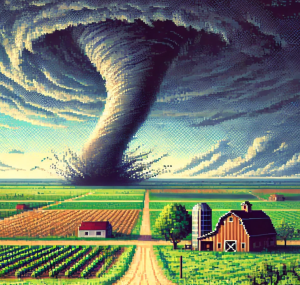
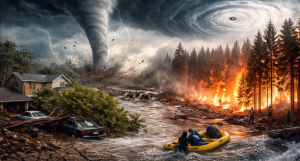
Extreme weather events have become more common in recent years. Heatwaves, hurricanes, wildfires, and floods now pose serious risks to physical and mental health.
Rising Temperatures and Heat-Related Illnesses
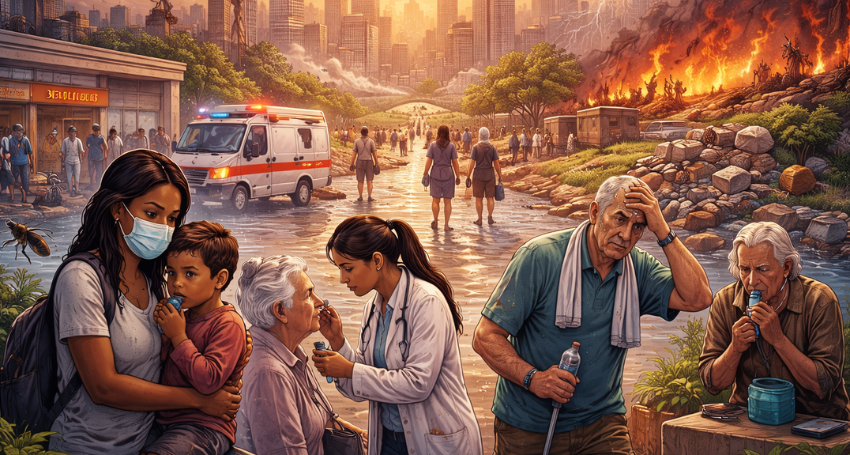
As global temperatures rise, heat-related illnesses such as heat exhaustion and heatstroke occur more frequently. Older adults, outdoor workers, and individuals with chronic conditions face higher risks during extreme heat events.
Moreover, prolonged heat exposure increases dehydration, cardiovascular stress, and respiratory problems. Consequently, emergency rooms often experience surges in patients during heatwaves.
Natural Disasters and Community Disruption
Floods, storms, and wildfires displace families, damage infrastructure, and limit access to healthcare. These disasters also disrupt clean water supplies and sanitation systems, increasing the risk of waterborne diseases.
Over time, repeated exposure to disasters weakens community resilience and places long-term strain on public health services.
How Climate Change Impacts Air Quality and Respiratory Health
Air pollution represents another critical reason why climate change threatens public health. Rising temperatures worsen ground-level ozone formation and increase wildfire activity, both of which reduce air quality.
Poor air quality contributes to asthma, chronic bronchitis, and other respiratory conditions. Children and individuals with pre-existing lung disease are especially vulnerable.
In addition, prolonged exposure to polluted air increases the risk of heart disease and premature death. Therefore, improving air quality remains a central public health priority in a changing climate.
Why Climate Change Threatens Public Health Through Food and Water Insecurity
Disrupted Food Systems
Climate change affects agricultural productivity through droughts, floods, and shifting growing seasons. As crops fail and food prices rise, many households struggle to access nutritious meals.
Malnutrition, especially among children and older adults, weakens immune systems and increases susceptibility to illness. Over time, food insecurity contributes to long-term health disparities.
Limited Access to Clean Water
Rising sea levels and extreme rainfall contaminate freshwater sources. Meanwhile, droughts reduce water availability in many regions.
Without reliable access to clean water, communities face higher risks of dehydration, gastrointestinal illnesses, and infectious disease outbreaks.
The Spread of Infectious Diseases in a Changing Climate
Another important reason why climate change threatens public health involves the spread of infectious diseases. Warmer temperatures expand the habitats of mosquitoes, ticks, and other disease-carrying organisms.
As a result, illnesses such as dengue fever, malaria, and Lyme disease now appear in regions where they were previously rare. In addition, changing rainfall patterns influence the transmission of waterborne diseases.
Public health systems must continuously adapt to monitor and control these evolving health threats.
Mental Health Effects of Climate Change
Climate-related stress affects emotional well-being as much as physical health. Displacement, economic loss, and uncertainty contribute to anxiety, depression, and post-traumatic stress.
After natural disasters, many individuals experience long-term psychological distress. Farmers, coastal residents, and disaster responders often face particularly high mental health burdens.
Recognizing and addressing these emotional impacts is essential for building healthier, more resilient communities.
Why Climate Change Threatens Public Health in Vulnerable Populations
Climate change does not affect everyone equally. Low-income communities, older adults, children, and marginalized populations often experience the greatest risks.
Limited access to healthcare, safe housing, and emergency resources makes it harder for these groups to adapt. Consequently, climate-related health disparities continue to widen.
Strengthening social support systems and improving healthcare access can help reduce these inequalities.
Taking Action: Protecting Public Health in a Warming World
While the challenges are significant, proactive strategies can reduce health risks. Governments, healthcare providers, and community organizations play vital roles in building climate-resilient systems.
Key actions include improving early warning systems, expanding green infrastructure, supporting clean energy, and strengthening disease surveillance. Education also empowers individuals to protect themselves during extreme weather events.
By investing in prevention and preparedness, societies can limit the long-term health consequences of climate change.
Conclusion
Understanding why climate change threatens public health is the first step toward meaningful action. At This Week in Public Health, we are committed to sharing evidence-based insights, policy updates, and practical solutions that empower communities.
If you care about protecting future generations and building healthier societies, stay connected with our platform. Subscribe to our updates, explore our latest research, and join the conversation on climate and health today. Together, we can create informed, resilient communities ready to face tomorrow’s challenges Contact US