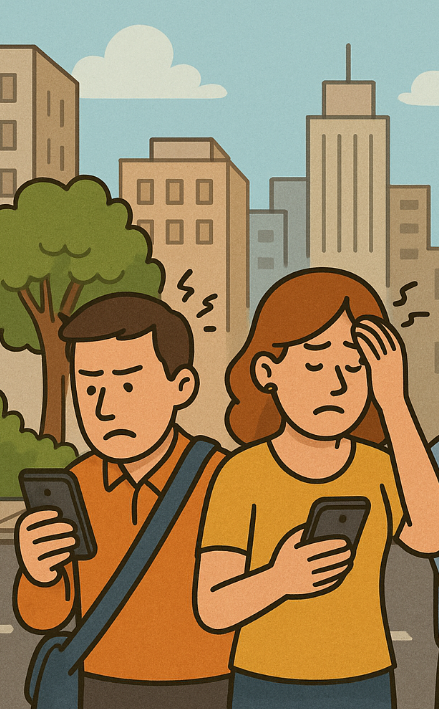
Work Stress: Young Public Health Workers’ Silent Struggle
In a bustling township clinic, you find Lisa, a fresh graduate, diving into her new role as a public health worker. Faced with overwhelming job demands and endless emotional interactions, Lisa struggles to maintain her mental health amidst palpable burnout signs. Her story is a mirror reflecting a disturbing trend across young public health workers—an increasing risk of burnout due to relentless work stress.
Facing the Burnout Beast
Burnout, a growing crisis characterized by emotional exhaustion and reduced professional efficacy, is affecting young public health workers severely. Many, like Lisa, are experiencing it early in their careers. What exactly is propelling this trend? A recent study by Yin and Chen explores this critical issue, offering insights that can help reshape how we support public health staff.
The Root of the Problem
The study surveyed 410 young professionals in public health, both new employees and volunteer graduates. It found that job demands directly fuel emotional exhaustion, a key predictor of burnout. Surprisingly, while emotional labor (the need to manage personal emotions during work interactions) also leads to exhaustion, it is not directly driven by job demands.
Translating Evidence into Action
This mechanism-based study uses structural equation modeling to dissect how job demands, emotional labor, and organizational support contribute to burnout. It demonstrated that young public health workers experience heightened stress levels from unsustainable workloads, which, left unchecked, become precursors to complete emotional burnout.
Practical Takeaways for Public Health Leaders
- Revise workload distributions to accommodate realistic demands and achievable goals.
- Enhance organizational support structures—emotional exhaustion often hides beneath layers of unaddressed institutional pressures.
- Implement early-stage intervention programs focused on reducing emotional exhaustion.
- Regularly check in with employees to dynamically adjust workloads and support needs.
Keeping Dialogue Open: What’s Next?
Pathways to Prevention
A comprehensive prevention strategy requires a realistic assessment of how ongoing demands affect sustainability. It includes structuring organizational interventions that are precisely tuned to job nuances and recovery opportunities.
Barriers and Challenges
One of the starkest challenges identified is the gap between intervention initiatives and tangible impacts. While many strategies exist, holistic solutions considering the individual, job, and organizational levels are vital.
Future Research Directions
- How do specific job dynamics affect the burnout trajectory among various public health roles?
- Can interventions targeted at early career stages lower overall career burnout rates?
- What role does emotional labor uniquely play in different organizational contexts, and how can support be tailored accordingly?
By advancing the conversation on occupational burnout through grounded evidence, public health systems can pivot strategies to better support their workforce—a necessary step to ensuring the continued well-being of those at the front lines of public health advancement.
Reference: Yin S and Chen C (2026). Work stress and burnout among young public health workers: a mechanism-based analysis of emotional labor and organizational support. Frontiers in Public Health.