
Medicaid Unwinding Shifts Texas ED Payer Mix
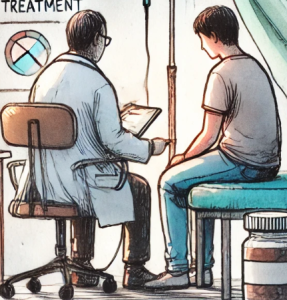
Emily, a nurse at a bustling Texas emergency department (ED), watches as another wave of young patients comes through the doors. She has noticed a change lately: more of these children arrive without insurance. As she prepares to help a young boy struggling to breathe, she wonders how hospitals like hers will cope with the changing landscape.
The Medicaid Unwinding: A Pressing Public Health Issue
In April 2023, Texas initiated an unwinding process of continuous Medicaid enrollment. This has led to significant shifts in insurance, with more than 1.2 million children losing Medicaid coverage in Texas alone. The study examines the impact on ED visits across the state, with particular attention to changes in payer mix and the implications for hospitals and communities.
The Problem: Shift in Insurance Coverage
Medicaid, a crucial lifeline for many low-income families, experienced substantial enrollment growth during the pandemic, driven by federal policies such as the Families First Coronavirus Response Act. When this provision ended, Texas experienced a dramatic decline in Medicaid coverage among children, reshaping the insurance landscape for the state’s hospitals.
Evidence: Trends and Shifts
The study examined data from 7.6 million pediatric ED visits across 472 Texas facilities from 2021 to 2024. It revealed a stark shift:
– The share of ED visits covered by Medicaid dropped from 64.3% to 57.1%.
– Visits covered by commercial plans increased from 26% to 29.4%.
– Uninsured visits surged from 6.9% to 10.7%.
The unwinding left a larger proportion of children without insurance, posing serious challenges to access to care and imposing financial burdens on hospitals
What This Means in Practice
- Local Health Departments: Focus on outreach programs to connect uninsured families to available health plans like CHIP or ACA Marketplace.
- NGOs and Community Programs: Increase awareness and assistance for families affected by Medicaid changes, ensuring they secure adequate coverage.
- Hospitals: Implement strategies to manage increased uncompensated care costs, such as applying for state-level reimbursement programs.
Future Pathways & Barriers
Policies should focus on easing transitions between Medicaid, CHIP, and commercial plans to minimize coverage gaps. Scaling support for families navigating these changes can mitigate negative impacts[
Yet political resistance to Medicaid expansion, financial constraints on statewide programs, and potential loss of trust within communities are significant hurdles. Additionally, hospitals in Texas already face operational risk due to financial strains.
Open Questions
As we look to the future, several questions loom:
– How can agencies develop robust frameworks to support families during such transitions?
– What strategies can hospitals use to balance financial sustainability and uncompensated care?
– Could this shift prompt a reevaluation of Medicaid policy across states like Texas?
Emily’s story is far from unique. As healthcare providers and policymakers grapple with these changes, communities must unite, leveraging available data and insights to inform actions that protect our most vulnerable populations.