
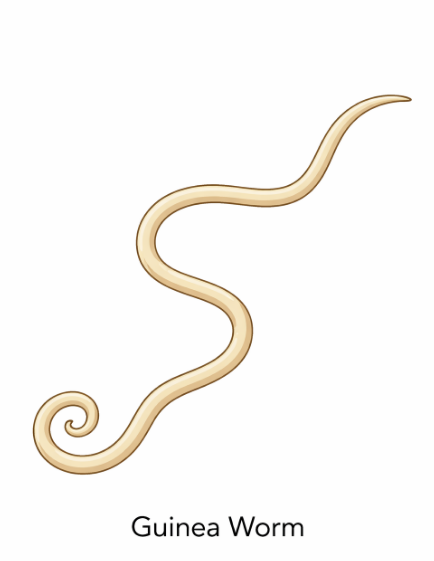
How Close Are We to Eradicating Guinea Worm Disease?
Imagine being a health worker in a remote village faced with the nearly eradicated scourge of Guinea worm disease. It’s a disease that once plagued millions, yet today’s numbers are dwindling. Nevertheless, new challenges arise as animal infections sidetrack efforts. This is the story of dracunculiasis and the global pursuit of eradication.
The Current State of Guinea Worm Eradication
Dracunculiasis, caused by the waterborne parasite Dracunculus medinensis, has been a target for global eradication efforts since the 1980s.CDC’s Guinea Worm Eradication Program (GWEP), launched in 1980, along with The Carter Center and WHO, spearheaded this mission. The number of human cases has dramatically decreased, but ongoing civil unrest and new animal infections challenge the final push for eradication.
A Growing Concern: Animal Infections
As of 2025, the disease persists predominantly in six African countries: Angola, Cameroon, Chad, Ethiopia, Mali, and South Sudan. Despite immense progress, there are still 664 reported animal infections and a singular human case from January to June 2025. This marks a 20% increase in animal infections compared to the previous year.
Implications of Guinea Worm in Animals
Animal infections, particularly in dogs, complicate eradication, as they serve as reservoirs that facilitate transmission to humans. Improving containment measures and achieving higher rates of dog tethering, like the 79% compliance seen in Cameroon, is critical.
Strategizing the Final Eradication Steps
Preventive measures such as health education, water filtration, safe cooking practices, increased rewards for reporting cases, and innovative strategies for animal tethering are being implemented to curb transmission.
Learn More
What This Means in Practice
- Local Health Departments: Strengthen surveillance and reporting systems, and enhance community outreach efforts.
- NGOs and Community Programs: Support education initiatives and tethering campaigns to prevent animal infections.
- Research and Policymakers: Facilitate funding for innovative interventions and bolster international collaborations.
Future Pathways and Challenges
Road Ahead
Efforts to eradicate Guinea worm disease have underscored the integral role of international cooperation. Investing in robust health systems and securing political and financial commitments from affected regions is a vital step forward.
Barriers to Eradication
Challenges such as civil unrest, impeded access due to security threats, and cultural practices complicate eradication efforts.
What’s Next in Research and Collaboration?
Addressing open questions, such as the ecological patterns of animal infections, and optimizing intervention strategies remain high priorities for researchers and public health officials alike.
Reflect and Engage
- How might your agency adapt these findings locally to improve eradication efforts?
- What resource constraints might hinder the application of these solutions?
- Does the presence of animal infections challenge your assumptions about disease eradication?
In conclusion, while significant progress has been made in eradicating Guinea worm disease, the path forward requires overcoming political, security-related, and logistical barriers. This collective effort invites reflection, discussion, and action within the public health community to succeed in this monumental public health goal.