Bridging Health Decisions Across Generations
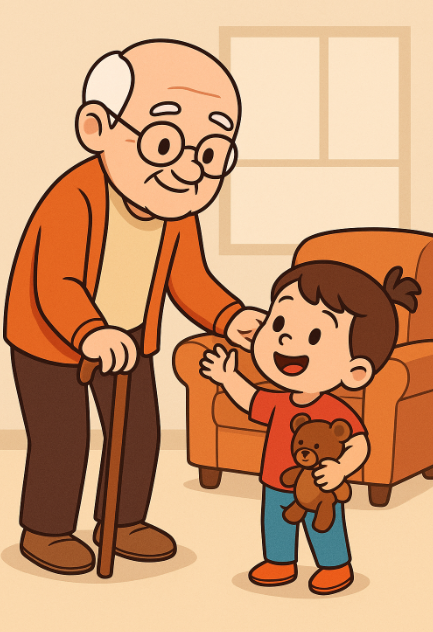
On a bustling Saturday morning, Ayse, a 28-year-old IT consultant, helps her grandmother navigate a health app while sipping her coffee. Her grandmother, born in the Baby Boomer era, squints through her glasses to see the small print on the screen, highlighting the growing importance of digital health literacy across generations.
Revolutionizing Health Decisions Through Digital Tools
The increasing digitalization of healthcare is reshaping how families make health-related decisions. A recent study by Turan and Turan, published in BMC Public Health, emphasizes the impact of digital health literacy on intergenerational decision-making.
The Problem: Diverse Adoption Across Generations
As digital tools become integral to healthcare, a gap emerges between generations in their use and trust of these technologies. While younger generations like Millennials (Generation Y) and Gen Z adeptly navigate these tools, older generations such as Baby Boomers exhibit hesitance, often relying on family or healthcare professionals for validation.
Evidence: Insights from the Study
The study utilized a phenomenological design, investigating experiences with digital health technologies among different generations: Baby Boomers, Generation X, Generation Y, and Generation Z. Through in-depth interviews, researchers uncovered four key themes:
- Digital Health Literacy: Younger generations feel more competent interacting with digital information, while Baby Boomers and Gen X rely on familial instruction.
- Digital Application Trust: Generation Z shows high trust in digital information, while older generations approach with caution, often needing corroboration from medical professionals.
- Family Dynamics in Decision-Making: Despite technological advancements, critical health decisions often involve consultation with family members.
- Intergenerational Interaction: Younger family members are navigating digital tools, yet final medical decisions typically rest with older members.
What This Means in Practice
- Local health departments and NGOs should develop programs that enhance digital health literacy, especially focusing on the elderly’s interaction with digital tools.
- Design universal digital interfaces that accommodate older individuals, such as larger prints and voice-assisted navigation.
- Implement family-centered health counseling services to facilitate collective decision-making processes, harnessing younger generations’ digital skills.
Key Insight
Generational differences in experiencing and trusting digital health technologies reveal the crucial need for educational programs tailored to different age groups. Such strategies can bridge the digital divide, promoting equal access to healthcare services.
What’s Next: Overcoming Barriers
As we navigate these dynamics, a few key pathways and challenges emerge:
Pathways:
- Integrate insights from studies to inform policy designs aimed at increasing digital health inclusion.
- Expand funding to digital literacy programs that are accessible to all age groups.
Barriers:
- Structural Challenges: Ensuring digital infrastructure supports seamless, user-friendly experiences for all generations.
- Cultural Barriers: Overcoming skepticism, particularly among older adults, regarding the reliability of digital health data.
Open Questions
As we continue to strive for a more inclusive healthcare environment, consider these questions:
- How might your local agency tailor their programs to address these intergenerational disparities in digital health literacy?
- What structural adjustments could enhance the inclusivity of digital health applications for all age groups?
- Are there unconventional community partners that could aid in bridging the digital divide in health literacy?