How Patient Activism is Transforming Medical Knowledge
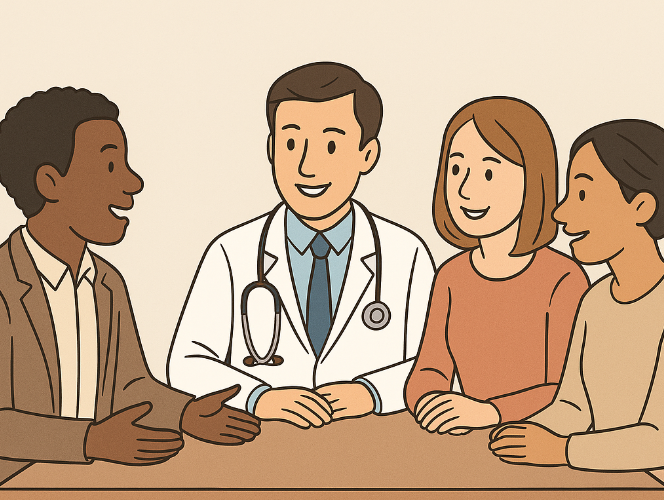
Health worker Sandra Martinez is attending her first meeting with a newly formed patient advocacy group in her city. The discussion centers on the challenges patients face in getting their voices heard in medical research and on how they can contribute to reshaping health policies for chronic illnesses, such as long COVID. This setting underscores a crucial shift in contemporary medical practice, in which patient experiences are not just heard but actively sought as valid medical knowledge.
The Rise of Coproduction in Medicine
The coproduction of medical knowledge is an evolving concept that underscores collaboration among patients, researchers, and healthcare professionals in generating valuable medical insights. Historically, the journey towards inclusive knowledge began with voluntary self-help groups and patient advocacy movements driven by the need for recognition and better healthcare outcomes. This collaborative approach has often proven to improve the efficiency of medical research, informed by real-world patient experiences.
A New Era of Patient-Led Research
One significant example of patient-led research is seen in the response to long COVID. During the early stages of the pandemic, individuals experiencing long-lasting symptoms turned to social media and formed support groups that effectively communicated the health challenges they faced. This grassroots movement was pivotal in turning the spotlight on long COVID, leading to broader recognition and research efforts globally (Moodie 2025).
Implications for Public Health
The implications of coproducing medical knowledge are far-reaching:
- Empowerment of Patients: Patients are not mere subjects of study but active contributors to the discourse on disease management.
- Accelerated Research: The diverse experiences captured through patient narratives can accelerate hypothesis generation and testing, bypassing traditional, sluggish research modalities.
- Enhanced Trust: By involving patients in research, healthcare systems can build greater public trust, reduce resistance, and enhance the adoption of healthcare interventions.
What This Means in Practice
- Local health departments are urged to form alliances with patient groups to capture real-time health data, which will help shape more relevant healthcare policies.
- Community-based organizations can facilitate workshops that empower patients and health workers to share experiences, thereby improving treatment protocols and care quality.
- NGOs and policymakers should strive to increase patient representation in health committees to ensure diverse voices contribute to decision-making.
Barriers and Future Pathways
Despite its promise, the coproduction of medical knowledge faces numerous challenges, including financial constraints, entrenched medical hierarchies, and political barriers. Experts believe that aligning coproduction practices with abolition medicine—an approach seeking to dismantle oppressive structures within healthcare—could provide a transformative framework for tackling these issues (Moodie 2025).
Open Questions
How might your health agency adapt coproduction practices locally to enhance medical research? What structural changes are needed to facilitate patient inclusion in health policy-making? These questions are pivotal for encouraging reflection on the implementation of collaborative medical knowledge practices in health systems worldwide.
Empowering patients to co-create health knowledge signifies a paradigm shift towards a more inclusive and effective healthcare landscape. With increasing recognition and systematic support, coproduction can become a cornerstone of modern medical research and practice, leading to more inclusive, informed, and equitable healthcare solutions.