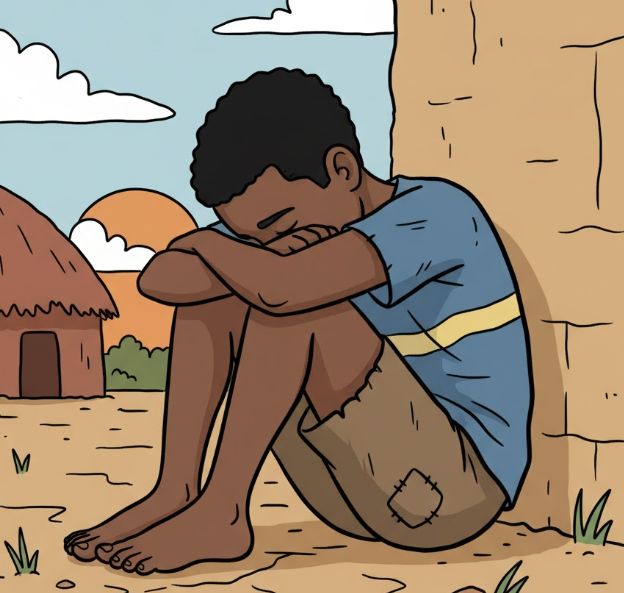
Takeaways from Recent Study on Minor Sex Trafficking
Sex trafficking of minors, often lurking beneath the surface, presents a formidable challenge. Defined by the Trafficking Victims Protection Act, it encompasses any commercial sexual act involving a person under 18. Yet quantifying this issue remains elusive. A recent scoping review by Franchino-Olsen and colleagues, published in the Trauma, Violence, & Abuse, attempts to address this by summarizing studies on the prevalence of minor sex trafficking across the United States.
A Scoping Review: What Researchers Did
The researchers conducted a systematic scoping review, searching for studies that provided estimates on minor sex trafficking. Using the PRISMA guidelines, they trawled through peer-reviewed articles and gray literature, eventually distilling over 200 studies to just six that met their stringent criteria. These studies presented either count or prevalence proportion estimates of trafficked or at-risk minors.\
Key Findings: A Varied Landscape
The findings highlight a fragmented understanding of the issue:
- Greene et al. (1999) estimated 10% of shelter youth and 28% of street youth reported involving in survival sex at least once.
- Edwards et al. (2006) found 3.5% of minors in a nationally representative sample had exchanged sex for money or drugs.
- Dank (2011) employed respondent-driven sampling to estimate nearly 4,000 youth in NYC involved in the CSEC market.
- Estes and Weiner (2001) reported 244,000 to 325,000 U.S. minors at risk annually.
- Williamson et al. (2014) estimated 3,016 youth in Ohio at risk, with 1,078 experiencing trafficking annually.
- O’Brien et al. (2017) found 10.4% of adjudicated males reported DMST victimization.
These estimates reveal the diversity of the populations studied and the methodologies used, underscoring the challenge of comparing results across different regions and demographics.
What This Means in Practice
This research highlights critical implications for policy and practice:
- For Local Health Departments: Leverage data to inform targeted interventions in high-risk areas.
- For NGOs: Develop tailored support services for diverse at-risk populations, including adjudicated youth and other vulnerable populations.
- For Community-Based Programs: Engage in public awareness campaigns to highlight risk factors and support structures available to affected youth.
Looking Ahead: Challenges and Opportunities
While this review provides vital insights, it underscores a pressing need for improved methodologies and systemic data collection efforts. Identifying trafficking among minors remains fraught with difficulties like hidden networks and victims’ reluctance to disclose exploitation.
What’s Next & Barriers
Adopting new policies and collaborative data-sharing systems among agencies remains a priority. Yet, hurdles such as funding, political will, and community distrust frequently obstruct progress. Future research must refine estimation techniques and embrace innovative sampling methodologies.
Reflective Questions
As public health professionals, policymakers, and community stakeholders, consider:
- How can we localize these findings to better address community-specific trafficking issues?
- What resources or collaborations could mitigate obstacles in applying these insights practically?
- Do these findings challenge your assumptions about what effective interventions might look like?
By addressing these questions, stakeholders can harness the study’s insights to foster a more prepared, resilient community against the scourge of minor sex trafficking.