
Navigating the ‘Perfect Storm’: NHS Faces Five-Day Doctor Strike Amid Flu Crisis
The National Health Service (NHS) in England is currently grappling with a dual crisis that could not have come at a more precarious moment. As the country battles an early and severe flu season, resident doctors are preparing to embark on a five-day strike. This confluence of events has been dubbed a ‘perfect storm’ by public health officials, with potential ramifications for patient care across the nation.
Understanding the Crisis
This week, the NHS is expected to face significant pressures due to the intersection of the flu outbreak and the doctors’ strike scheduled to begin on December 17th. Health Secretary Wes Streeting has expressed concerns, warning that the timing of the strike could exacerbate what is already being seen as the worst crisis faced by the NHS since the COVID-19 pandemic (Guardian).
The Flu Outbreak
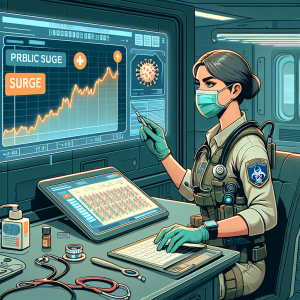
NHS England has reported a 55% increase in flu hospitalizations in the past week, with over 2,600 cases being recorded daily. The outbreak is not just early but fiercer, with experts deeming it a ‘super flu’ season (BBC News). Considering the situation, health officials have urged the public to get vaccinated promptly as vaccine stocks dwindle (NHS Confederation).
The Scheduled Strike
The resident doctors are striking over pay and working conditions, highlighting years of underfunding and the additional strain post-COVID-19. The NHS has faced several strikes recently, but this one stands out for its timing and duration. Hospitals have been warned that the strike could be the ‘Jenga piece’ that collapses the fragile NHS infrastructure, already stretched by the flu outbreak (Wyoming News Now).
Public Health Implications
The dual crisis underlines significant public health challenges. The NHS, burdened by the rising flu cases, could struggle to maintain critical care services. Reports suggest that some hospitals are near capacity, and emergency departments are inundated with flu patients (BBC Live). The doctors’ strike, while necessary to raise awareness of labor issues, might lead to further delays in treatment for non-emergency cases.
Another challenge is maintaining public trust. The ongoing strain could lead to increased privatization pressure, with private healthcare providers potentially benefiting from the NHS’s temporary inability to meet demand.
What Comes Next?
In response to the crisis, the government is considering deploying military and volunteer reservists in medical roles. However, this solution offers limited relief as these personnel may lack the specialized skills of striking doctors. The NHS leadership continues to negotiate with the doctors’ union, hoping to avert or shorten the planned walkout (BBC).
Public health experts stress the importance of long-term strategies, including better workforce management and increased resources for the NHS to handle future crises. Meanwhile, the public is advised to use NHS 111 for non-urgent health queries and to seek vaccinations as early as possible (NHS Cheshire and Merseyside).
Conclusion
This week’s developments highlight the NHS’s fragility in the face of compounded crises. While the immediate focus is on managing this ‘perfect storm,’ lasting solutions will require systemic changes. The current situation serves as a stark reminder of the importance of robust public health infrastructure and the need for ongoing vigilance and preparedness.