Why Floods Are a Public Health Emergency Long After the Water Recedes
When people picture a flood, they usually think of rising water, damaged homes, and dramatic rescues. Public health sees a longer story. A flood can begin as a weather event, but it quickly becomes a health emergency that reaches far beyond the flood line.
The dangers start with drowning and injury, but they do not end there. Floods can contaminate drinking water, spread infectious disease, disrupt medical care, displace families, and leave lasting mental health effects. They also hit some communities harder than others, especially where housing, infrastructure, and access to healthcare are already under strain.
That is why floods matter not only to emergency managers, but to health departments, hospitals, schools, and local leaders planning for recovery.
Floodwaters bring immediate danger before the hidden health risks even begin
The first public health threat from flooding is direct physical harm. The World Health Organization and the CDC identify drowning as one of the most serious flood-related causes of death. Floods also raise the risk of traumatic injuries, electrocution, and carbon monoxide poisoning, especially during cleanup and power outages.
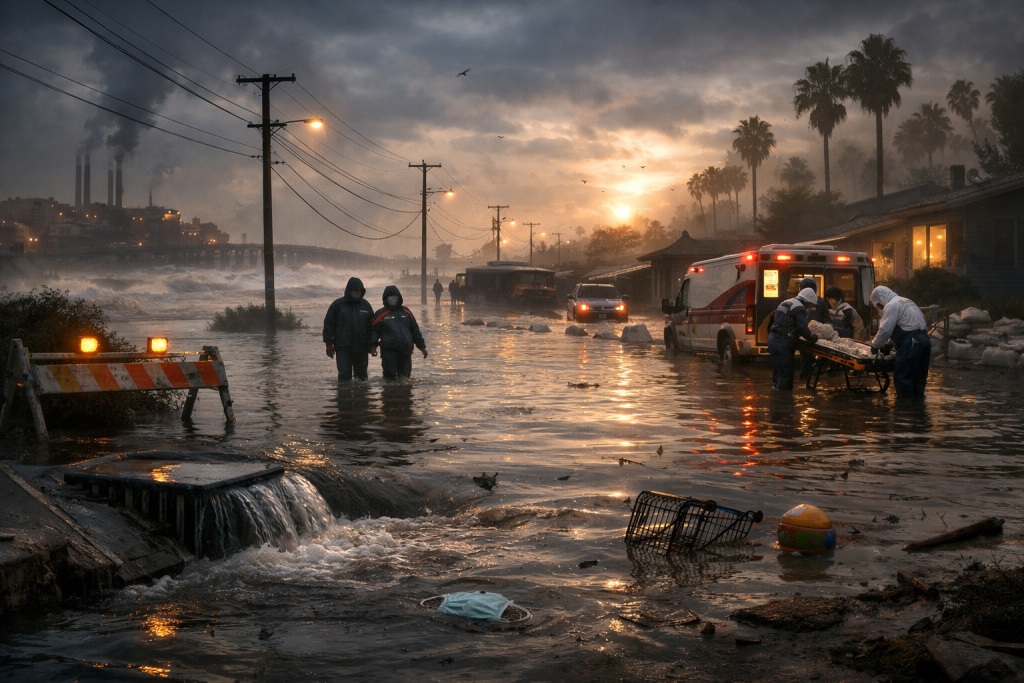
These risks may sound obvious, but they matter because they shape the first phase of response. Flooding is not only about water entering streets and buildings. It creates dangerous environments filled with unstable structures, submerged hazards, contaminated debris, damaged electrical systems, and the pressure to return too soon.
From a public health standpoint, the early hours of a flood are about more than rescue. They are about preventing a second wave of injuries during evacuation, sheltering, and cleanup.
After the water rises, contamination can spread through homes, soil, and drinking water
One reason floods are such a broad health threat is that water moves everything with it. According to the CDC, floodwaters can carry bacteria, viruses, protozoa, and other contaminants into places where people live, play, and work.
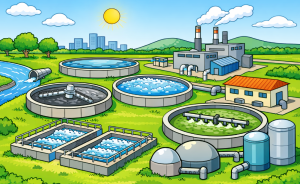
That means risk does not disappear when the streets dry out. Pathogens can remain in mud, standing water, outdoor spaces, and damaged buildings. Drinking water systems may also be affected, especially where treatment systems are disrupted or private wells are contaminated.
Heavy rainfall and flooding can increase the chance of waterborne disease outbreaks. The CDC notes that precipitation extremes can raise exposure to harmful microbes by overwhelming sewage systems, washing contaminants into waterways, and creating conditions where unsafe water is more likely to reach households.
For public health teams, this turns flood recovery into as much a sanitation challenge as an infrastructure challenge.
Infectious disease risk is one of the clearest ways floods affect population health
Research increasingly shows that flood exposure is linked to more than isolated cases of illness. A systematic review and meta-analysis found associations between floods and increased risks of mortality and several important health outcomes, including gastrointestinal illness, diarrhea, dysentery, malaria, and respiratory disease.
These patterns make biological and environmental sense. Flooding can mix sewage with surface water, interrupt hygiene and food safety, force people into crowded conditions, and increase contact with contaminated spaces. In some settings, standing water can also create conditions that support vector-borne disease transmission.
The exact disease pattern varies by location. A community with damaged drinking water infrastructure may face very different risks than a community dealing mainly with mold, crowding, or mosquito exposure. But the larger public health message is clear: floods can reshape the disease environment for days, weeks, or longer.
The mental health burden often lasts long after recovery is declared
Not all flood-related illness is visible. People may lose homes, medications, routines, social support, and a sense of safety all at once. The WHO identifies mental health effects as part of the health burden of floods, and recent research shows that these impacts deserve much more attention.
A 2024 review on flood-related health disparities in the United States highlights the growing evidence that flood harms include mental health consequences and that these effects are not distributed evenly. Recovery is often longest and hardest for people with fewer resources, less stable housing, limited transportation, or barriers to care.
That matters for public health planning. The end of evacuation orders is not the end of the emergency for a family coping with displacement, financial stress, interrupted treatment, or the emotional toll of losing a home.
Floods do not affect everyone equally
One of the most important findings in flood health research is that exposure and recovery are shaped by inequality. The people most affected are often those with the fewest buffers: low-income households, people with chronic illness or disabilities, older adults, children, and communities with weaker infrastructure or less access to healthcare.
The 2024 review on disparities after flood events found that flood-related health harms in the U.S. are unevenly distributed. That means flood response cannot focus only on water levels and property damage. It also has to consider who can evacuate, who can replace medications, who can miss work, who has insurance, and who can safely return home.
In practice, this is where public health and emergency planning meet. A flood map shows where water may go. A health equity lens shows who may be least able to withstand the impact.
Chemical exposure is another concern, especially in damaged built environments
Floods can also create exposure pathways for chemicals, not just microbes. A recent scoping review found growing evidence that flood events can contribute to health risks related to chemical contamination.
This can happen when floodwaters move through industrial areas, storage sites, homes, roadways, and damaged buildings, picking up hazardous substances along the way. While this area of research is still developing, it adds another reason flood recovery requires careful environmental health assessment rather than a simple return to normal.
For communities, the practical point is straightforward: what floodwater leaves behind may be biologically and chemically unsafe, even when it no longer looks dramatic.
Why this matters for public health preparedness
Floods are often described as natural disasters, but their health effects are shaped by systems people can change: drainage, housing quality, sanitation, risk communication, healthcare access, and emergency response capacity.
That makes flooding a public health preparedness issue, not just a weather problem. Strong response plans can reduce deaths and injuries in the first hours. Safe water systems, environmental cleanup, and disease surveillance can reduce illness in the weeks that follow. Mental health support and equitable recovery policies can reduce the longer shadow floods cast over communities.
The water may recede quickly. The health effects often do not. Seeing floods through a public health lens helps explain why recovery is not just about rebuilding roads and walls. It is also about protecting the conditions people need to stay healthy after the storm has passed.
Build Your Public Health Issue
Tell us a little about your work, and we’ll build a personalized issue with five things worth knowing.
References
World Health Organization — Floods
CDC — Reopening Outdoor Public Spaces After Flooding
PubMed — Health Disparities in the Aftermath of Flood Events
PubMed — Mortality and morbidity risks associated with floods: A systematic review and meta-analysis
PMC — Assessing the health risks from flooding and chemical contamination: a scoping review